
In the modern food processing industry, efficiency, accuracy, and compliance are critical factors that determine the success of a production line. Among the many pieces of equipment used in packaging operations, Canned Food Labeling Machines play a vital role in ensuring that canned products are correctly labeled, visually appealing, and compliant with regulatory requirements.
For food processing plants that produce canned vegetables, fruits, meat, seafood, sauces, or ready-to-eat meals, selecting the right labeling machine can significantly improve productivity and reduce operational costs. However, with many models, technologies, and suppliers available in the market, choosing the most suitable labeling system can be challenging.
This practical buyer’s guide will help food manufacturers understand the key aspects of Canned Food Labeling Machines, including how they work, the types available, important features, and how to select the best machine for your production needs.
Understanding Canned Food Labeling Machines
Canned Food Labeling Machines are automated or semi-automated systems designed to apply labels to cans during the packaging process. These machines ensure precise placement of labels on cylindrical, square, or uniquely shaped containers.
Labels applied to canned food products typically include essential information such as:
Product name
Ingredients
Nutritional information
Production and expiration dates
Batch numbers
Barcodes or QR codes
Branding elements and logos
Accurate labeling is essential not only for marketing purposes but also for regulatory compliance in the food industry.
Why Food Processing Plants Need Advanced Labeling Machines
As food production scales up, manual labeling quickly becomes inefficient and prone to errors. Investing in advanced Canned Food Labeling Machines offers multiple benefits for food processing plants.
Improved Production Efficiency
Automatic labeling machines can handle hundreds or even thousands of cans per hour. This level of speed significantly improves packaging throughput and ensures that production lines operate smoothly without bottlenecks.
Consistent Label Placement
Inconsistent labeling can damage brand image and reduce consumer trust. Automated machines apply labels with precision, ensuring consistent alignment and positioning across all products.
Reduced Labor Costs
By automating the labeling process, companies can reduce dependence on manual labor while increasing productivity and efficiency.
Compliance with Food Regulations
Food labeling regulations vary across regions but generally require clear and accurate information. High-quality labeling machines help ensure compliance with industry standards and regulatory guidelines.
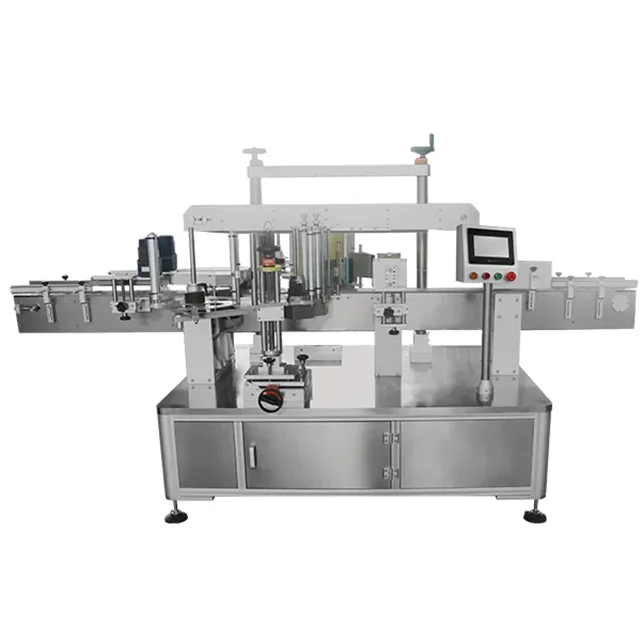
Types of Canned Food Labeling Machines
Before purchasing equipment, buyers should understand the different types of labeling machines available for canned food packaging.
Semi-Automatic Labeling Machines
Semi-automatic machines require some operator involvement to load cans and initiate the labeling process. These systems are suitable for:
Small food factories
Start-up food brands
Low to medium production volumes
Although they offer lower throughput compared to fully automatic machines, they are more affordable and easier to operate.
Fully Automatic Labeling Machines
Automatic Canned Food Labeling Machines are designed for high-volume production lines. They integrate seamlessly with conveyors and other packaging equipment, enabling continuous labeling operations.
Key advantages include:
High-speed labeling
Minimal human intervention
Improved consistency and accuracy
These machines are ideal for medium to large food processing plants.
Wrap-Around Labeling Machines
Wrap-around labeling machines are commonly used for cylindrical cans. The machine wraps the label completely around the can's surface, ensuring a secure and smooth application.
This type of machine is widely used in industries producing:
Canned beverages
Canned vegetables
Canned seafood
Condensed milk and sauces
Front-and-Back Labeling Machines
Some canned products require separate front and back labels. These machines apply two labels in one operation, improving efficiency and ensuring proper label alignment.
Key Features to Consider When Buying Canned Food Labeling Machines
When selecting a labeling machine for a food processing plant, buyers should evaluate several critical factors.
Labeling Speed
Production speed is one of the most important factors. The machine’s labeling capacity should match or exceed the production line speed to prevent bottlenecks.
Typical speeds range from:
30–60 cans per minute for small operations
100–300 cans per minute for high-speed production lines
Label Accuracy
High labeling accuracy ensures that labels are positioned correctly on every can. Look for machines equipped with advanced sensors and positioning systems.
Compatibility with Can Sizes
Food processing plants often produce cans in different sizes and shapes. The labeling machine should support quick adjustments to accommodate various container dimensions.
Ease of Operation
User-friendly interfaces, touchscreen controls, and programmable settings make it easier for operators to manage labeling tasks and change product configurations.
Integration with Production Lines
Modern Canned Food Labeling Machines should integrate smoothly with existing packaging equipment, including conveyors, filling machines, and inspection systems.
Durability and Hygiene
Food processing environments require equipment made from high-quality materials such as stainless steel to ensure durability, corrosion resistance, and easy cleaning.
Advanced Technologies in Modern Labeling Machines
Modern labeling systems incorporate advanced technologies that improve performance and reliability.
Intelligent Sensor Systems
Sensors detect the presence and position of cans, ensuring labels are applied precisely without waste.
Servo Motor Control
Servo-driven systems provide greater control over label placement and speed, improving overall efficiency.
Vision Inspection Systems
Some machines include cameras that inspect labels after application. These systems can detect missing labels, misalignment, or printing errors.
Automatic Error Detection
Advanced labeling machines can automatically stop production if labeling errors occur, preventing defective products from reaching the market.
Cost Factors for Canned Food Labeling Machines
The cost of Canned Food Labeling Machines can vary widely depending on several factors.
Level of Automation
Fully automatic machines typically cost more than semi-automatic systems due to their advanced features and higher production capacity.
Machine Speed
High-speed labeling machines require more sophisticated technology and components, increasing the overall price.
Customization
Machines designed for unique can shapes, special labels, or specific production requirements may require custom engineering.
Additional Features
Optional features such as vision inspection, date coding, and automatic rejection systems can increase the total cost but improve operational efficiency.
Choosing a Reliable Labeling Machine Supplier
Selecting the right equipment supplier is just as important as choosing the machine itself. Food processing plants should consider the following factors when evaluating suppliers.
Industry Experience
Manufacturers with extensive experience in packaging equipment are more likely to provide reliable and well-designed machines.
Customization Capabilities
A good supplier should be able to customize labeling machines based on specific production requirements.
After-Sales Support
Reliable technical support, spare parts availability, and maintenance services are essential for minimizing downtime.
Training and Installation Services
Many reputable manufacturers provide installation guidance and operator training to ensure that machines function properly from the start.
Installation and Maintenance Considerations
Once the machine is installed, regular maintenance is essential to maintain optimal performance.
Routine Inspection
Operators should regularly inspect key components such as rollers, sensors, and label feeding mechanisms.
Cleaning and Sanitation
Since the machine operates in a food processing environment, it must be cleaned frequently to maintain hygiene standards.
Software Updates
Advanced machines with digital control systems may require occasional software updates to improve performance and functionality.
Spare Parts Management
Keeping essential spare parts on hand can help prevent production delays if components need replacement.
Future Trends in Canned Food Labeling Technology
The labeling industry continues to evolve as manufacturers adopt new technologies to improve efficiency and sustainability.
Smart Manufacturing Integration
Labeling machines are increasingly integrated into smart factory systems that monitor production performance in real time.
Eco-Friendly Labeling
With growing environmental concerns, many companies are adopting recyclable labels and sustainable packaging materials.
AI and Automation
Artificial intelligence and automation technologies are expected to further improve labeling accuracy, machine diagnostics, and production optimization.
Conclusion
Choosing the right Canned Food Labeling Machines is a crucial decision for food processing plants seeking to improve packaging efficiency, maintain product quality, and meet regulatory requirements.
By understanding the different types of labeling machines, evaluating key performance features, and selecting a reliable supplier, food manufacturers can make informed purchasing decisions that support long-term production goals.
Investing in high-quality labeling equipment not only enhances operational efficiency but also strengthens brand presentation and consumer trust in canned food products.
As automation and smart manufacturing technologies continue to advance, Canned Food Labeling Machines will remain an essential component of modern food packaging systems, helping food processing plants achieve higher productivity and consistent labeling quality.
www.beiltpack.com
beiltpack