
The global industrial sector faces mounting pressure to balance productivity with environmental responsibility. As governments worldwide implement stricter emissions regulations and pursue carbon neutrality goals, manufacturers are urgently seeking steam generation solutions that deliver efficiency, safety, and sustainability. Electric steam generators have emerged as a transformative technology addressing these critical challenges.
Understanding Electric Steam Generator Technology
An electric steam generator is a specialized device that converts electrical energy into thermal energy to produce high-quality steam for industrial applications. Unlike traditional coal-fired boilers that generate harmful emissions, electric steam generators operate through resistance heating or electromagnetic induction, producing clean steam without combustion byproducts. This fundamental difference positions them as essential equipment for industries transitioning toward cleaner production methods.
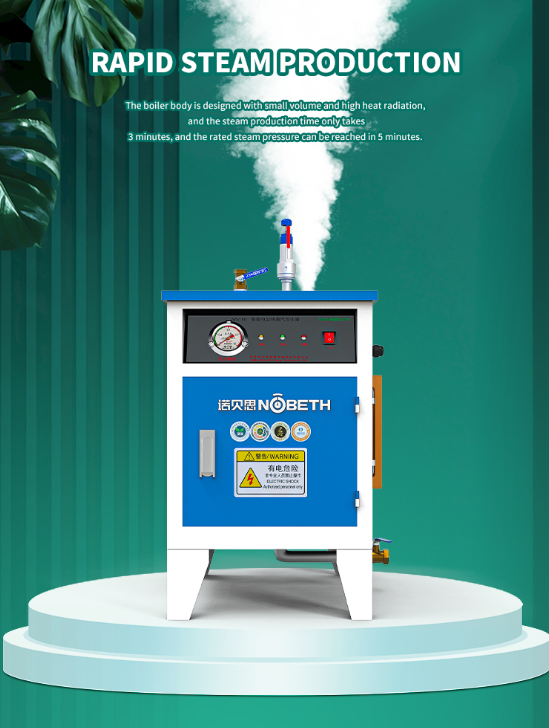
The core advantage of electric steam technology lies in its precise control capabilities. These systems can rapidly adjust steam output according to real-time production demands, eliminating the inefficiencies inherent in conventional boiler operations. Modern electric generators achieve thermal efficiency rates exceeding 95%, with some advanced models reaching steam saturation within 3-5 minutes of startup—a dramatic improvement over traditional systems requiring 30-60 minutes.
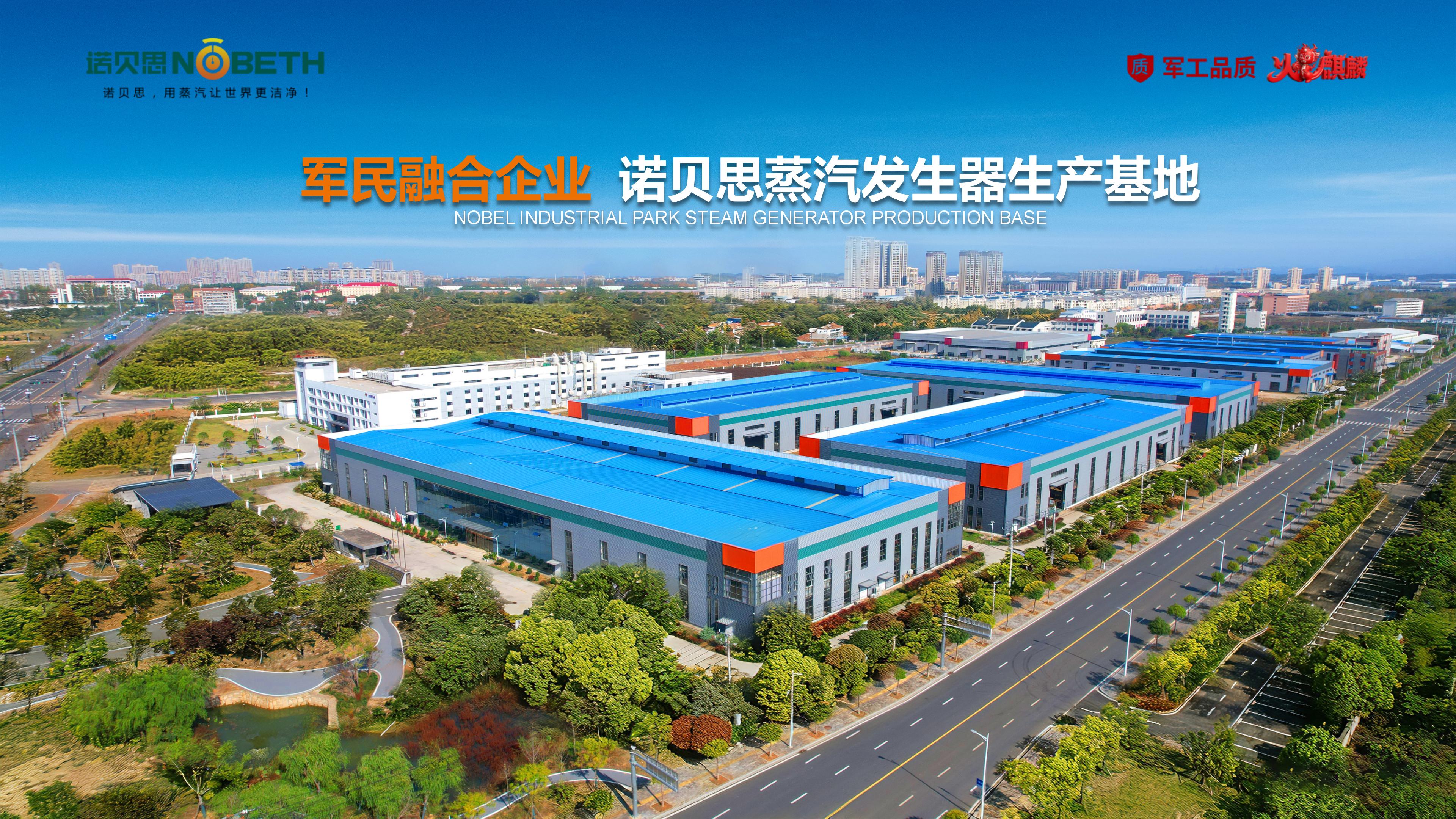
Industry Pain Points Driving Technology Adoption
Manufacturing facilities across multiple sectors face common operational challenges. Space constraints in urban production facilities make traditional large-scale boilers impractical. Food processing operations require consistent steam quality to meet stringent hygiene standards. Research laboratories demand precise temperature control for experimental accuracy. Pharmaceutical manufacturers need contamination-free steam for sterilization processes.
Traditional steam generation methods struggle to address these diverse requirements. Coal-fired systems produce particulate emissions and require extensive pollution control infrastructure. Gas-fired boilers, while cleaner than coal, still generate nitrogen oxides and require complex ventilation systems. Both options demand significant maintenance, specialized operators, and periodic safety inspections that increase operational costs and downtime.
Key Performance Characteristics
Modern electric steam generators deliver several quantifiable advantages. Rapid steam production capabilities enable some models to generate steam within 3 seconds of activation, supporting just-in-time manufacturing processes. Thermal efficiency exceeding 95% translates directly into reduced energy consumption and lower operating costs—some implementations report fuel cost reductions up to 20% compared to conventional systems.
Zero direct emissions represent perhaps the most significant advantage. Electric generators produce no combustion gases, eliminating nitrogen oxides, sulfur dioxide, and particulate matter at the point of use. This characteristic simplifies regulatory compliance and reduces environmental remediation costs. For facilities operating in urban areas or near residential zones, this emission profile proves invaluable.
Operational flexibility allows manufacturers to scale steam production precisely to demand. Modular designs enable facilities to deploy multiple units that activate sequentially based on load requirements, avoiding the inefficiency of oversized single boilers cycling on and off. This granular control optimizes energy consumption across varying production schedules.
Application Scenarios Across Industries
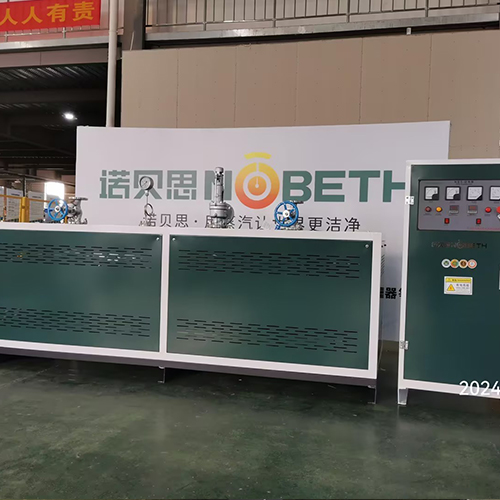
The food and beverage sector has rapidly adopted electric steam technology. Commercial bakeries use compact electric generators for dough proofing and oven steam injection. Dairy processors rely on them for pasteurization and cleaning-in-place systems. One honey processing operation successfully heated 12 tons of product to optimal filtration temperature within 3 hours using a 72-kilowatt electric steam generator, maintaining consistent quality while reducing labor requirements.
Pharmaceutical and healthcare facilities require absolute steam purity. Electric generators producing dry steam with no water carryover meet USP standards for clean steam applications. Medical device manufacturers use them for sterilization autoclaves, while hospital laundries depend on them for high-temperature sanitization cycles.
Manufacturing operations have found electric steam invaluable for specialized processes. Concrete curing operations use steam to accelerate strength development in precast elements. Rubber manufacturing facilities require precise temperature control for vulcanization processes. A masterbatch production facility deployed five 60-kilowatt electric generators to provide consistent steam for reaction kettles used in non-woven fabric coloring, enabling continuous operations without maintenance interruptions.
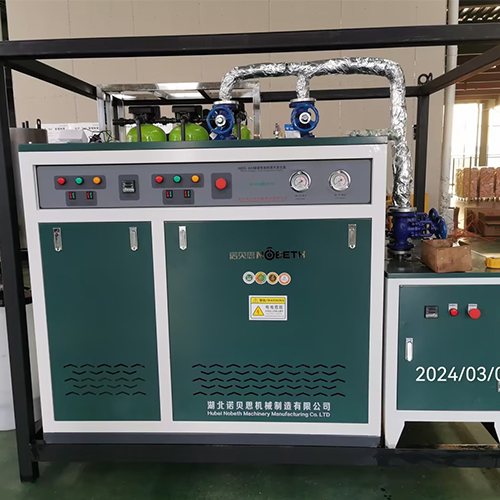
Research institutions value electric steam generators for experimental reproducibility. University laboratories use compact units for precise temperature-controlled experiments. One aviation precision machinery manufacturer installed two 36-kilowatt generators specifically for steam sterilization supporting quality control processes, achieving reliable sterilization standards with minimal operator training.
Technical Innovations Enhancing Value
Leading manufacturers have integrated advanced control systems that elevate electric steam generators beyond simple heating devices. 5G Internet of Things connectivity enables remote monitoring and control, allowing maintenance teams to track performance metrics, predict component wear, and optimize operations across multiple facilities from centralized dashboards.
Intelligent safety systems provide multiple redundant protections. Dual pressure controllers work in conjunction with mechanical safety valves to prevent over-pressurization. Probe-type liquid level sensors eliminate common failure modes associated with float-style controllers, particularly in facilities with poor water quality. Automatic fault detection systems alert operators to anomalies before they cause production disruptions.
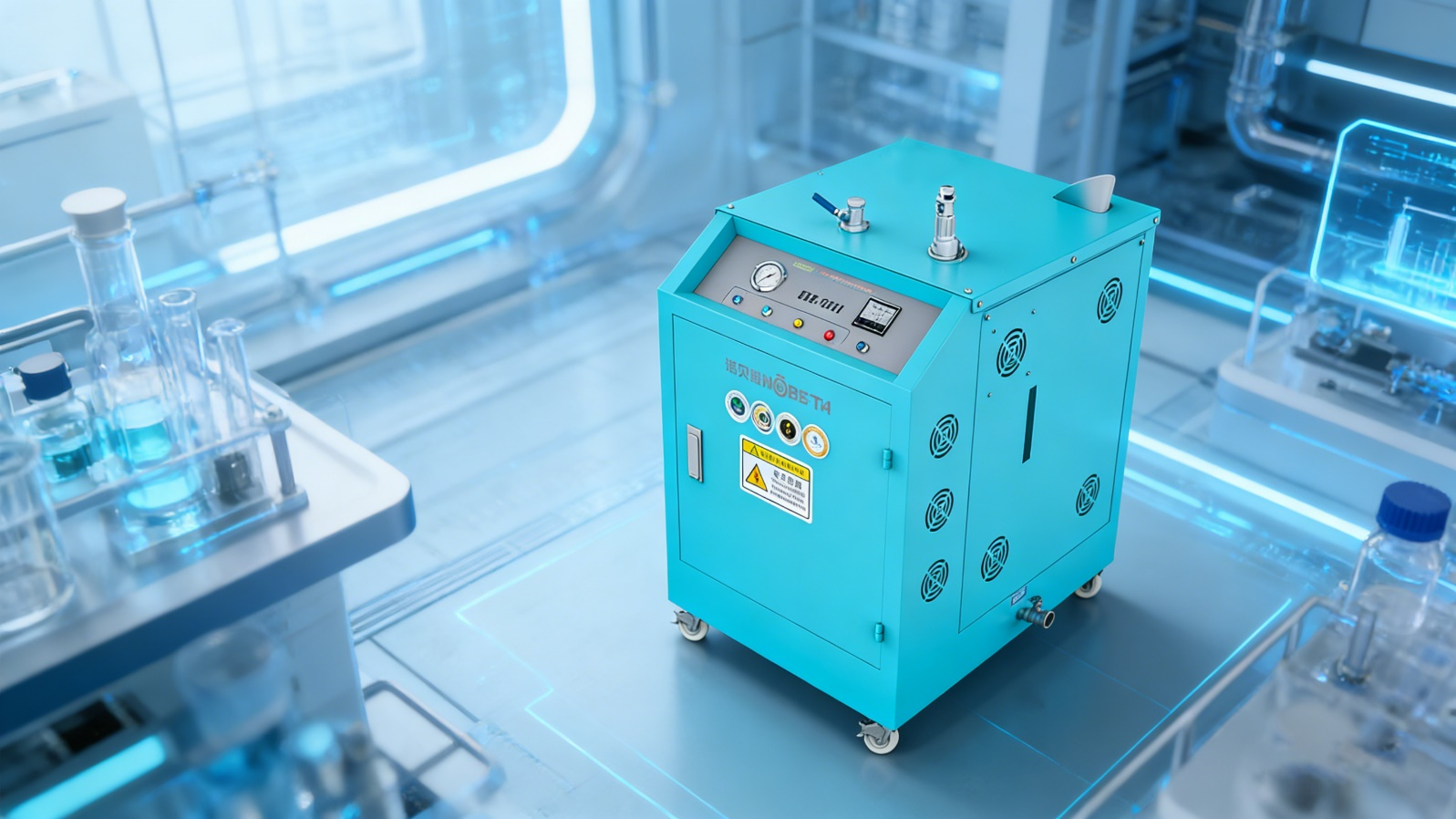
Energy recovery mechanisms capture waste heat from exhaust steam and use it to preheat incoming water, further improving overall system efficiency. Some advanced models incorporate honeycomb heat exchange devices and finned tubes that maximize thermal transfer, reducing electrical consumption per kilogram of steam produced.
Material innovations address durability and contamination concerns. Equipment constructed with 316L stainless steel resists corrosion in demanding chemical processing environments. Custom powder coating options allow integration with facility aesthetics while providing additional surface protection.
Implementation Considerations
Successful deployment requires careful assessment of production requirements. Steam volume calculations must account for peak demand periods plus a safety margin for unexpected load increases. Pressure requirements vary by application—cleaning processes may require higher pressure than heating applications.
Water quality significantly impacts equipment longevity. While electric generators generally tolerate a wider range of feed water quality than traditional boilers, facilities should implement basic filtration and softening to prevent scale accumulation on heating elements. Regular maintenance protocols including pressurized blowdown and periodic descaling ensure sustained thermal efficiency and extend component life.
Electrical infrastructure must support generator power requirements. A 72-kilowatt unit requires appropriate circuit protection and conductors rated for continuous duty at full load. Facilities should verify adequate electrical service capacity before procurement, particularly when deploying multiple units.
Market Evolution and Future Outlook
The electric steam generator market has expanded significantly as environmental regulations tighten globally. Industry analysis indicates that small-to-medium capacity electric generators have captured approximately 30% market share in specific segments by 2023, with continued growth projected as carbon pricing mechanisms make fossil fuel alternatives less economically attractive.
Manufacturers serving Fortune Global 500 companies across more than 60 countries validate the technology's maturity and reliability. Long-term performance data from installations dating to 2014 demonstrates equipment durability, with many units requiring only minor component replacements after years of continuous operation.
Conclusion
Electric steam generators represent a proven technology addressing critical industrial needs for clean, efficient, and controllable steam production. As manufacturing sectors worldwide pursue sustainability goals while maintaining competitive operations, these systems offer a practical pathway to reduced emissions without compromising productivity. Organizations evaluating steam generation options should carefully assess their specific requirements against the documented capabilities of modern electric systems, considering both immediate operational benefits and long-term strategic alignment with environmental objectives.
The convergence of regulatory pressure, technological maturity, and demonstrated economic value positions electric steam generators as essential infrastructure for forward-looking industrial operations committed to sustainable production practices.
www.nobethsteam.com
nobeth