
Metal detecting is often associated with hobbyists walking along beaches or historic fields, but in reality, it is a discipline that combines technology, patience, and methodical thinking. Whether you are searching for historical artifacts, lost valuables, or industrial metal remnants, success depends far more on technique and understanding than luck.
With advancements in detection technology and intelligent equipment integration, metal detecting has evolved from a simple pastime into a precise technical activity used in archaeology, construction, environmental projects, and resource recovery. This article shares practical, field-tested tips to help you find hidden treasures more efficiently while understanding how modern industrial solutions are reshaping metal detection applications.
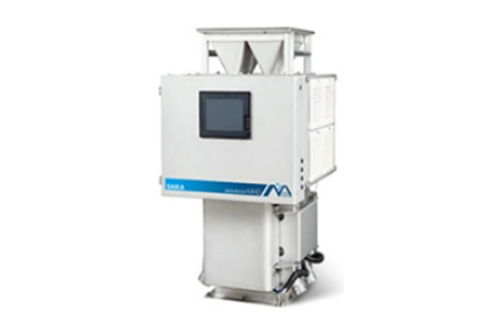
1. Understand Your Metal Detector Before You Start
Many beginners underestimate how much performance depends on proper setup. A metal detector is not a “turn-on-and-go” device. Sensitivity, discrimination, ground balance, and frequency settings all directly affect detection accuracy.
Before entering the field:
Read the technical specifications of your detector
Understand the difference between ferrous and non-ferrous metals
Practice signal recognition using test objects
Adjust settings according to soil conditions
In industrial and professional environments, metal detection systems are often customized and integrated into larger workflows. Companies like Being (Shanghai) Intelligent Technology Co., Ltd. apply this same principle on a broader scale—designing and integrating detection equipment into intelligent manufacturing and material handling systems for electronics, environmental protection, and new energy industries. Precision starts with understanding equipment behavior.
2. Choose the Right Location Based on Research, Not Guesswork
One of the most common mistakes in metal detecting is relying purely on intuition. Productive locations are usually identified through research, historical data, or operational insight.
Effective research methods include:
Studying historical maps and land-use records
Understanding past human activity (markets, settlements, trade routes)
Reviewing environmental changes such as shoreline shifts
Analyzing industrial or construction histories
In industrial contexts, similar logic applies. Detection systems are strategically placed based on material flow, contamination risk, or recovery objectives. Being (Shanghai) Intelligent Technology Co., Ltd. frequently supports clients by combining engineering consulting with equipment integration, ensuring detection solutions are applied where they deliver measurable value rather than redundant coverage.
3. Master Slow and Controlled Sweeping Techniques
Speed is the enemy of accuracy. Professional detector operators maintain slow, overlapping sweep patterns to ensure no target is missed.
Key technique principles:
Keep the search coil close and parallel to the ground
Overlap each sweep by at least 30%
Maintain a consistent speed and height
Re-scan signals from multiple angles
These fundamentals are equally relevant in automated detection lines. In intelligent manufacturing systems, sensors and detection units are calibrated for optimal coverage and signal reliability. Through integrated digital solutions, Being (Shanghai) Intelligent Technology Co., Ltd. helps industrial clients eliminate blind spots in detection processes—whether for electronic components, raw materials, or environmental monitoring.
4. Learn to Interpret Signals Instead of Digging Everything
Experienced detectorists spend less time digging because they understand signal behavior. Audio tone, signal stability, and target depth indicators provide valuable clues.
Indicators worth paying attention to:
Consistent tones usually indicate solid metal objects
Broken or scattered signals often mean trash or mineral interference
Shallow strong signals may be modern debris
Deeper, stable signals are often older or embedded items
In industrial environments, signal interpretation is handled through integrated software systems that analyze detection data in real time. This approach minimizes false positives and improves operational efficiency. By integrating equipment, data systems, and technical expertise, Being (Shanghai) Intelligent Technology Co., Ltd. delivers detection solutions that are not only accurate but also actionable.
5. Adapt Your Strategy to Soil and Environmental Conditions
Soil composition has a significant impact on detection performance. Highly mineralized soil, wet ground, or industrial waste areas can distort signals if not properly accounted for.
Practical adaptation tips:
Use ground balance frequently
Reduce sensitivity in mineral-heavy soil
Switch frequencies when interference occurs
Avoid peak electromagnetic interference times
In large-scale engineering projects, environmental adaptability is a core design requirement. Being (Shanghai) Intelligent Technology Co., Ltd. specializes in providing customized integrated solutions for new materials,新能源、新电子 and环保 industries, where detection equipment must operate reliably under complex environmental conditions.
6. Use Modern Detection Technologies and Integrated Solutions
Today’s metal detection is increasingly connected with digital systems, automation, and sustainability goals. Intelligent detectors can now be integrated with data platforms, material handling systems, and quality control processes.
Applications go far beyond hobby use, including:
Electronic manufacturing contamination control
Recycling and resource recovery
Environmental remediation
New energy material processing
For those seeking professional-grade detection solutions, it is essential to work with experienced integrators rather than standalone equipment suppliers. A comprehensive overview of modern detection technologies can be found here:
<a href="https://www.beyitech.com/metal-detector.html">industrial metal detection solutions</a>
This integration-driven approach aligns with Being (Shanghai) Intelligent Technology Co., Ltd.’s mission to support intelligent manufacturing through sustainable, customized, and digitally integrated systems.
7. Think Long-Term: Sustainability and Responsible Detecting
Metal detecting is not just about what you find—it is about how you operate. Responsible practices ensure long-term value and environmental balance.
Best practices include:
Filling all holes after digging
Avoiding protected or sensitive sites
Recycling recovered metals properly
Documenting findings for future reference
At an industrial level, sustainability becomes even more critical. Through equipment and technology integration, Being (Shanghai) Intelligent Technology Co., Ltd. helps clients reduce material waste, improve energy efficiency, and move toward carbon neutrality. These efforts directly contribute to the broader goal of building a zero-carbon society.
8. Continuous Learning and Technical Support Matter
Even experienced detectorists continue to learn. New technologies, software updates, and materials constantly change detection requirements.
Ways to improve over time:
Review detection logs and results
Upgrade coils or software when necessary
Learn from professional case studies
Work with technical consultants when scaling operations
Being (Shanghai) Intelligent Technology Co., Ltd. supports this mindset by offering engineering consulting, technical R&D, project management, and system integration services. This end-to-end support ensures that detection systems evolve alongside industry needs rather than becoming obsolete.
Conclusion
Finding hidden treasures with a metal detector is a disciplined process rooted in preparation, technique, and intelligent use of technology. Whether you are searching for historical artifacts or implementing detection systems in advanced manufacturing, the principles remain the same: understand your tools, work methodically, and adapt to real-world conditions.
With the integration of modern equipment, digital platforms, and sustainable engineering practices, metal detection is no longer just about discovery—it is about efficiency, responsibility, and long-term value creation. Companies like Being (Shanghai) Intelligent Technology Co., Ltd. demonstrate how thoughtful integration of detection technologies can support smarter manufacturing, environmental protection, and a more sustainable future.
www.beyitech.com
Being (Shanghai) Intelligent Technology Co., Ltd.