
In industries such as pharmaceuticals, biotechnology, food and beverage processing, cosmetics, chemicals, and nanomaterials, high-pressure homogenizers play a critical role in achieving product consistency, improving stability, reducing particle size, and enhancing production efficiency. As demand for advanced homogenization technology continues to grow, choosing the right high-pressure homogenizer manufacturer has become a crucial decision that directly impacts production quality, operational costs, and long-term business success.
However, with hundreds of manufacturers worldwide offering various homogenizer models and technologies, identifying a truly reliable supplier can be challenging. A machine may appear similar on paper, but significant differences often exist in engineering quality, pressure stability, durability, service support, and customization capabilities.
This article provides a comprehensive guide to help buyers evaluate and select a trustworthy high-pressure homogenizer manufacturer that can meet current and future production requirements.
Why Choosing the Right High-Pressure Homogenizer Manufacturer Matters
A high-pressure homogenizer is often a long-term investment. Many industrial systems operate continuously for years, making equipment reliability essential.
Selecting an experienced manufacturer offers several advantages:
Consistent particle size reduction
Stable operating pressure
Improved product quality
Lower maintenance costs
Longer equipment lifespan
Faster technical support
Better compliance with industry regulations
Easier scalability for future production expansion
On the other hand, choosing an unreliable supplier may result in:
Frequent equipment failures
Inconsistent homogenization results
Production downtime
High repair expenses
Difficult access to spare parts
Regulatory compliance issues
Therefore, evaluating manufacturers carefully before purchasing is critical.
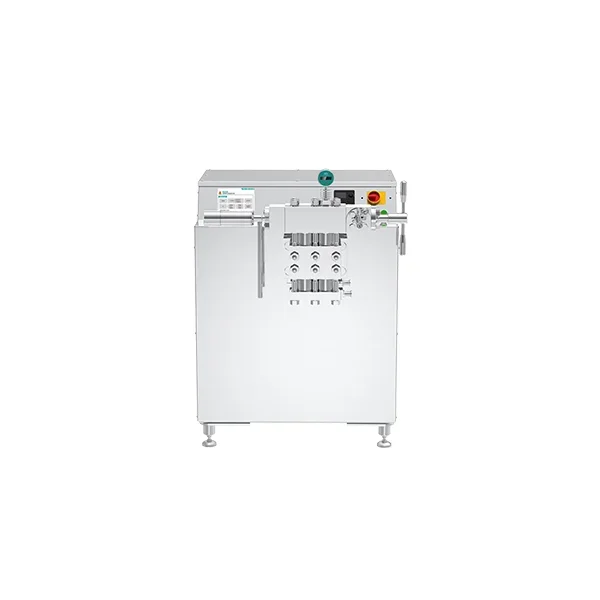
Understand Your Application Requirements First
Before comparing manufacturers, clearly define your production needs.
Different industries require different homogenization solutions.
Food and Beverage Applications
Common applications include:
Dairy products
Plant-based beverages
Juice processing
Emulsions
Sauces and dressings
Key considerations:
Hygienic design
CIP/SIP capability
Food-grade materials
High throughput
Pharmaceutical Applications
Requirements often include:
Sterile processing
Nanoparticle production
Liposome preparation
Vaccine manufacturing
Important features:
GMP compliance
Validation documentation
Precision pressure control
Pharmaceutical-grade stainless steel
Biotechnology Applications
Applications may involve:
Cell disruption
Protein extraction
DNA release
Microbial processing
Critical factors include:
High pressure consistency
Effective cooling systems
Gentle sample handling
Scalability
Cosmetic Applications
Manufacturers producing creams, lotions, and emulsions require:
Uniform particle distribution
Stable emulsification
Flexible batch sizes
Easy cleaning procedures
Understanding your specific needs helps narrow down suitable manufacturers.
Evaluate the Manufacturer's Industry Experience
Experience is one of the strongest indicators of reliability.
A manufacturer with decades of expertise in high-pressure homogenizer design typically possesses:
Proven engineering capabilities
Extensive application knowledge
Mature manufacturing processes
Comprehensive quality control systems
Questions to ask include:
How long has the company been manufacturing homogenizers?
What industries do they primarily serve?
How many systems have they installed globally?
Do they have experience with your application?
Manufacturers with a strong track record often understand process challenges better and can recommend optimized solutions.
Assess Technical Expertise and R&D Capabilities
Technology evolves rapidly, especially in pharmaceuticals, biotechnology, and nanotechnology.
Reliable high-pressure homogenizer manufacturers continuously invest in research and development.
Look for manufacturers that offer:
Advanced homogenizing valve designs
Energy-efficient systems
Intelligent control systems
Automated pressure regulation
Data monitoring capabilities
Scalable production solutions
Strong R&D investment demonstrates the manufacturer's commitment to innovation and long-term competitiveness.
Indicators of technical strength include:
Patents
Proprietary technologies
Scientific publications
Industry awards
Collaboration with research institutions
Examine Manufacturing Quality Standards
The quality of manufacturing directly affects equipment reliability and lifespan.
A reputable high-pressure homogenizer manufacturer should maintain strict quality control procedures throughout production.
Important factors include:
Material Selection
High-quality machines typically use:
316L stainless steel
Corrosion-resistant alloys
Food-grade sealing materials
Pharmaceutical-grade components
Precision Machining
Critical components such as:
Homogenizing valves
Pistons
Plungers
Pressure blocks
must be manufactured with extremely tight tolerances.
Quality Inspection
Reliable manufacturers perform:
Material inspections
Pressure testing
Leak testing
Performance verification
Final factory acceptance testing
Request information about their quality assurance procedures and certifications.
Verify International Certifications
Certifications provide evidence that the manufacturer follows recognized industry standards.
Common certifications include:
ISO 9001
Demonstrates a structured quality management system.
CE Certification
Required for equipment sold in many international markets.
GMP Compliance
Particularly important for pharmaceutical and biotechnology applications.
FDA Compliance
Relevant for food and pharmaceutical processing equipment.
ASME Standards
May apply to pressure-containing components.
Manufacturers with multiple certifications generally demonstrate stronger quality management practices.
Review Customization Capabilities
Every production process is unique.
A reliable high-pressure homogenizer manufacturer should offer customized solutions rather than forcing customers to adapt to standard equipment.
Customization options may include:
Pressure range adjustments
Capacity modifications
Specialized valves
Automated control systems
Explosion-proof designs
Cooling systems
Integrated production lines
Questions to ask:
Can the machine be tailored to my process?
Can future upgrades be accommodated?
Are custom engineering services available?
Flexible manufacturers are often better partners for long-term growth.
Analyze Pressure Performance and Stability
Pressure consistency is one of the most important performance indicators.
A homogenizer operating at unstable pressure may produce:
Uneven particle size
Product inconsistency
Reduced efficiency
Poor batch repeatability
Ask manufacturers for data regarding:
Maximum operating pressure
Continuous operating pressure
Pressure fluctuation range
Pressure control accuracy
Reliable manufacturers should be able to provide detailed performance specifications and validation data.
Investigate Service and Technical Support
Even the best equipment occasionally requires maintenance or troubleshooting.
After-sales support can significantly impact production continuity.
Evaluate whether the manufacturer provides:
Installation Assistance
On-site commissioning
Startup support
Operator training
Technical Support
Remote diagnostics
Process optimization advice
Troubleshooting assistance
Maintenance Services
Preventive maintenance plans
Annual inspections
Spare parts support
Response Time
Ask:
How quickly do they respond to service requests?
Is support available globally?
Are local service engineers available?
Strong support infrastructure often distinguishes leading manufacturers from low-cost competitors.
Check Spare Parts Availability
Spare parts accessibility is frequently overlooked during purchasing decisions.
When critical components fail, delayed replacement can halt production.
A reliable high-pressure homogenizer manufacturer should:
Maintain spare parts inventory
Offer fast shipping
Provide long-term parts availability
Supply detailed maintenance manuals
Ask how long parts remain available after equipment purchase.
Manufacturers committed to long-term customer support often guarantee parts availability for many years.
Request Customer References and Case Studies
Customer feedback provides valuable insight into real-world performance.
Reliable manufacturers are usually willing to share:
Case studies
Customer testimonials
Application examples
Reference installations
Consider asking:
How reliable is the equipment?
How responsive is technical support?
Has the machine met performance expectations?
What maintenance challenges have occurred?
Speaking directly with existing customers often reveals information unavailable in marketing materials.
Evaluate Production Capacity and Delivery Capability
Growing demand can strain some manufacturers' production resources.
Assess whether the supplier can meet your timeline requirements.
Important considerations include:
Manufacturing capacity
Average lead times
Supply chain stability
Global shipping experience
Reliable manufacturers maintain efficient production schedules while preserving quality standards.
Late deliveries can delay facility expansion and production plans.
Compare Total Cost of Ownership Instead of Initial Price
Many buyers focus primarily on purchase price.
However, the true cost of ownership includes:
Equipment price
Installation costs
Energy consumption
Maintenance expenses
Spare parts costs
Downtime risks
Service fees
A lower-priced homogenizer may become more expensive over time if reliability issues arise.
Evaluate long-term value rather than initial investment alone.
Assess Automation and Digital Features
Modern manufacturing increasingly relies on automation and data-driven operations.
Advanced high-pressure homogenizer manufacturers often provide:
PLC control systems
Touchscreen interfaces
Recipe management
Data logging
Remote monitoring
Industry 4.0 integration
These features improve:
Process consistency
Traceability
Production efficiency
Regulatory compliance
Digital capabilities can provide significant operational advantages.
Red Flags to Watch Out For
While evaluating suppliers, be cautious of manufacturers that:
Offer unusually low prices
Provide limited technical documentation
Lack certifications
Cannot supply customer references
Have poor communication responsiveness
Refuse factory audits
Provide vague performance claims
These warning signs may indicate quality or service issues.
Conclusion
Selecting a reliable high-pressure homogenizer manufacturer is far more important than simply comparing machine specifications or prices. The ideal partner should possess extensive industry experience, strong engineering capabilities, robust quality control systems, recognized certifications, comprehensive customer support, and the ability to customize solutions according to specific production requirements.
By carefully evaluating technical expertise, manufacturing quality, service infrastructure, and long-term reliability, businesses can make informed investment decisions that improve operational efficiency, product quality, and profitability.
A high-pressure homogenizer is not merely a piece of equipment—it is a strategic asset that supports innovation, productivity, and sustainable growth. Choosing the right manufacturer ensures that your investment delivers maximum value for years to come.
www.dscientz.com
dscientz