
The global transition to electric vehicles is accelerating, with residential charging infrastructure becoming a critical component of the EV ownership experience. As homeowners seek efficient, safe, and cost-effective solutions, understanding the landscape of smart home EV charging stations has never been more important.
The Residential Charging Revolution
Home-based charging represents the backbone of the electric vehicle ecosystem. Unlike public charging networks that demand premium fees and scheduling coordination, residential installations offer EV owners unprecedented convenience and long-term savings. Industry data indicates that home charging can reduce refueling expenses by approximately 40% compared to traditional internal combustion engine vehicles, while eliminating the time costs associated with visiting commercial charging stations.
The core advantage of smart home charging stations lies in their ability to leverage existing municipal electrical infrastructure without imposing excessive grid burden. These systems operate on standard residential power supplies, making them accessible to the vast majority of homeowners with dedicated parking spaces. This accessibility extends beyond single-family homes to multi-dwelling units, condominiums, and apartment complexes where property managers increasingly recognize EV infrastructure as a value-added amenity.
Understanding Charging Standards and Compatibility
One of the most significant challenges facing EV owners remains the fragmentation of charging standards across different vehicle manufacturers and geographic regions. The market currently operates with multiple protocols including CCS1, CCS2, J1772, GB/T, and proprietary Tesla connectors. This diversity creates compatibility obstacles that can limit charging options and complicate the ownership experience.
Advanced residential charging solutions address this challenge through universal compatibility design. Modern smart charging stations support multiple global charging standards, ensuring that households with different vehicle brands or those planning future vehicle changes can maintain charging flexibility. This cross-standard capability proves particularly valuable in households with multiple EVs from different manufacturers.
Power Output and Charging Efficiency
Charging speed represents a critical consideration for residential installations. Traditional Level 1 charging using standard household outlets delivers limited power output, often requiring 12-20 hours for a complete charge. This extended timeframe proves impractical for daily commuters and families with high vehicle usage patterns.
Level 2 charging systems transform this equation entirely. With power output ranging from 3.5kW to 22kW, these advanced systems dramatically reduce charging time while maintaining safety and battery health. The ability to adjust current settings—typically across five stages from 8A to 40A—allows users to optimize charging speed based on their electrical service capacity and immediate needs.
Shenzhen SOCW Technology Co., Ltd., operating under the GOODLINK brand since 2013, has developed comprehensive residential charging solutions that exemplify this performance range. Their portable EV chargers feature adjustable current configurations that adapt to different power environments, while LCD displays provide real-time monitoring of charging status and energy consumption. This flexibility proves essential for homeowners traveling between properties or requiring mobile charging capabilities during road trips.
Safety Engineering and Environmental Durability
Electrical safety concerns often dominate homeowner discussions about EV charging installations. The combination of high-power electrical systems, outdoor exposure, and variable weather conditions demands robust safety engineering and environmental protection.
Professional-grade charging stations incorporate multiple protective layers. IP65 and IP67 waterproof ratings ensure safe operation during rain, snow, and extreme weather events—addressing one of the most common residential charging concerns. These ratings indicate complete dust protection and the ability to withstand water immersion, providing peace of mind for outdoor installations.
Cable construction represents another critical safety element. Premium charging systems utilize TUV and UL and ETL-certified TPU/TPE materials for cable jackets, ensuring flexibility in extreme cold while maintaining durability under repeated use. These materials prevent cable stiffening in winter temperatures that can make handling difficult and potentially damage internal conductors.
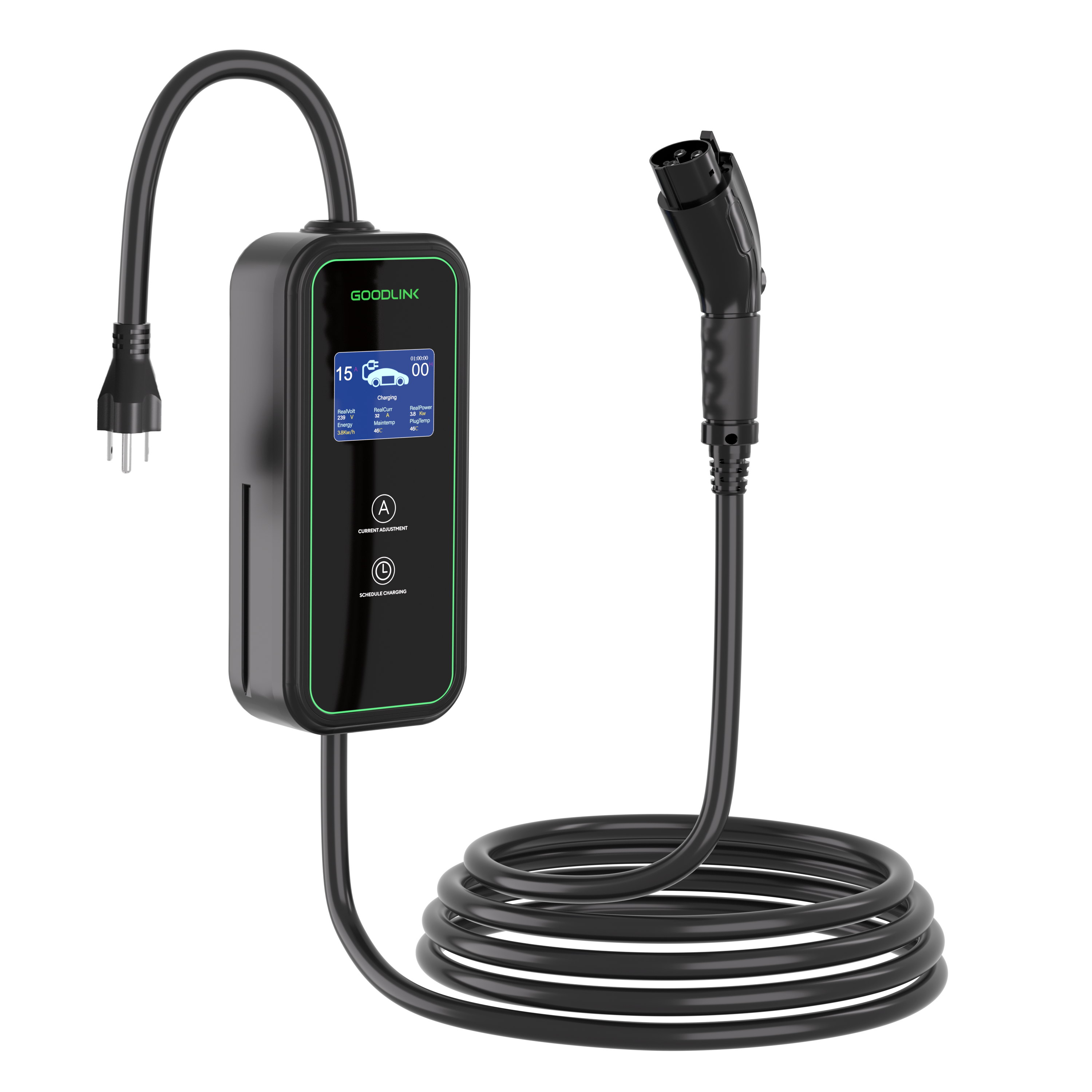
Operational temperature ranges extending from -30°C to 50°C enable year-round functionality across diverse climate zones. Combined with UL94V-0 fire-rated shell certification, these specifications demonstrate the rigorous safety standards implemented by leading manufacturers to protect both property and vehicle assets.
Installation Flexibility and Smart Features
Modern residential charging infrastructure transcends simple power delivery to incorporate intelligent management capabilities. Smart billing functions enable homeowners to track electricity consumption specifically attributable to vehicle charging, facilitating accurate cost analysis and budget planning. For properties with time-of-use electricity rates, this granular tracking allows strategic charging during off-peak hours to maximize cost savings.
Remote management capabilities extend control beyond physical presence at the charging location. Through connected applications, users can monitor charging progress, adjust power settings, schedule charging sessions, and receive completion notifications. This connectivity proves particularly valuable for workplace charging scenarios or multi-tenant properties where usage tracking and access control become necessary.
The GOODLINK product ecosystem demonstrates this comprehensive approach through multiple form factors. Their wallbox and floor-mounted stations provide permanent high-power installations optimized for overnight residential use and commercial applications in shopping malls, hotels, and workplace parking facilities. Portable chargers address mobile charging needs and serve as backup solutions. Charging adapters bridge compatibility gaps, enabling vehicles to access charging networks regardless of native port configuration—such as GB/T to Tesla adapters that connect Tesla vehicles to standard Chinese charging infrastructure.
The Business Model Evolution
The residential charging market increasingly operates through flexible business models that accommodate both individual consumers and commercial clients. OEM (Original Equipment Manufacturer), ODM (Original Design Manufacturer), and OBM (Original Brand Manufacturer) service structures enable customization for specific market segments, vehicle manufacturers, and property developers.
This flexibility has facilitated strategic partnerships between charging infrastructure providers and automotive manufacturers. The alliance between GOODLINK and AION exemplifies this system-level integration approach, where charging infrastructure development aligns directly with vehicle design and smart energy management strategies. Such partnerships create comprehensive ecosystems that enhance user experience while supporting broader electric mobility adoption.
Market Validation and Global Standards
International certification frameworks provide essential validation for residential charging equipment. Homeowners should prioritize systems carrying recognized safety and quality certifications including ETL (North American Safety Standard), UL (Underwriters Laboratories), CE (European Conformity), FCC (Federal Communications Commission), and RoHS (Restriction of Hazardous Substances). These certifications indicate compliance with stringent testing protocols and regional regulatory requirements.
The global nature of the EV market demands infrastructure solutions that function across international boundaries. Manufacturers maintaining presence in North America, Europe, and Asia through specialized production facilities—such as the 4,000 square meter factory operations in Dongguan supporting the GOODLINK brand—demonstrate the scale and commitment necessary to serve diverse market requirements while maintaining quality consistency.
Making the Investment Decision
For homeowners evaluating residential charging installations, several factors warrant careful consideration beyond initial purchase price. Total cost of ownership encompasses installation complexity, electrical service upgrades potentially required, ongoing maintenance needs, and energy efficiency. Systems designed for easy installation with minimal electrical modifications deliver faster deployment and lower total costs.
The scalability of charging infrastructure also merits attention. As vehicle battery capacities increase and charging technologies advance, homeowners benefit from systems capable of software updates and power output adjustments without requiring complete hardware replacement. This future-proofing protects the initial investment while maintaining compatibility with evolving vehicle capabilities.
Conclusion
Smart home EV charging stations represent a foundational investment in the electric vehicle ownership experience. By prioritizing universal compatibility, robust safety engineering, intelligent management features, and proven manufacturer credentials, homeowners can establish reliable charging infrastructure that delivers convenience, cost savings, and long-term value. As the electric vehicle market continues its rapid expansion, the residential charging solutions selected today will shape the ownership experience for years to come.
ShenZhen SOCW technology Co.,ltd
https://ev-goodlink.com/