
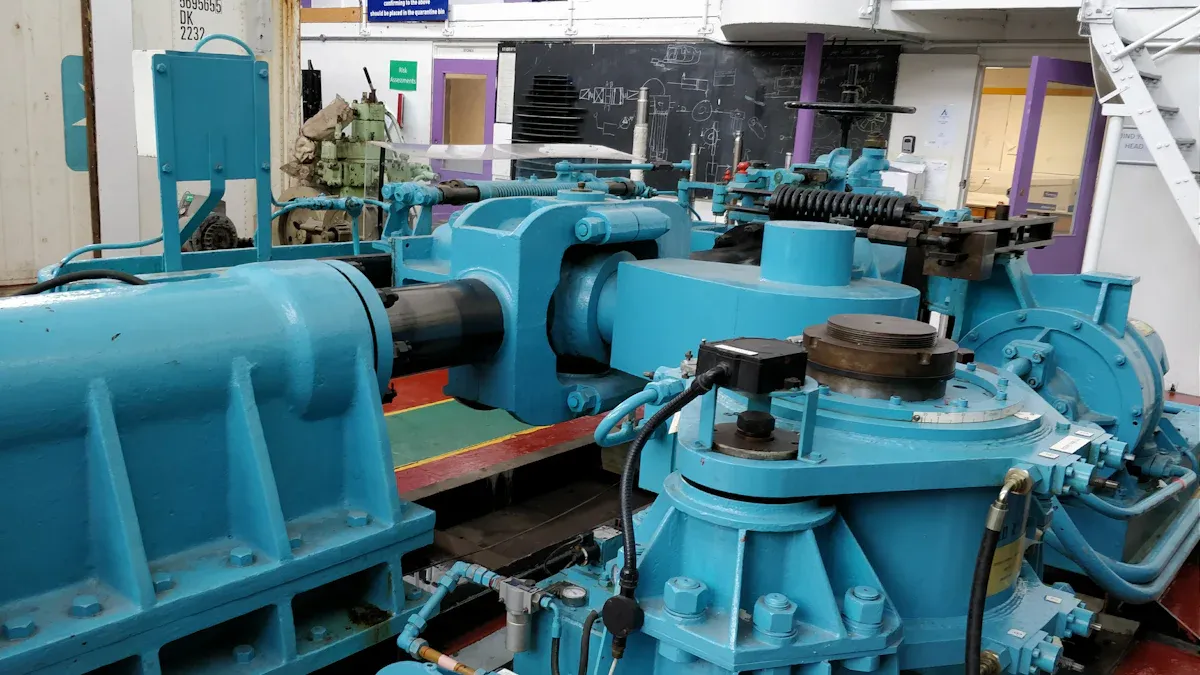
You use petrol chemical pumps to keep things running well each day. Good pumps stop costly breakdowns and sudden stops. Taking care of pumps often helps you find problems early. It also makes pumps last longer and lowers emergency repairs.
Benefit of Regular Maintenance | Explanation |
|---|---|
You can notice warning signs like strange sounds, leaks, or low pressure before bigger problems happen. | |
Extended Equipment Lifespan | Regular care helps pumps work longer and puts off expensive replacements. |
Minimization of Emergency Repairs | Planned checkups mean fewer surprises and better control over repair costs. |
Key Takeaways
Regular inspections help find problems early. Look for leaks, odd sounds, and low pressure. This helps you avoid expensive repairs.
Always follow the manufacturer's rules for maintenance. This keeps your pump safe and working well.
Use the right lubricants and cleaning products. The correct items stop damage and help your pump last longer.
Keep good records of maintenance. Writing down each check helps spot patterns and stop problems later.
Buy spare parts kits. Having extra parts ready lets you fix things fast and reduces downtime.
Common Pump Maintenance Mistakes
Skipping Regular Inspections
Some people skip inspections to save time. This can cause bigger problems later. Small problems can become expensive repairs if not found early. If you miss regular checks, your chemical pumps may not last as long. You might see leaks, odd noises, or low pressure too late. These issues can stop work and cost a lot to fix. Checking pumps often helps you find problems before they get worse.
If you skip inspections, you might have:
Small problems turning into big repairs
Pumps not lasting as long
More breakdowns
Using Wrong Lubricants or Cleaning Agents
Using the wrong lubricant or cleaner can hurt your chemical pump. Some chemicals do not mix well with certain oils or cleaners. You must use products that work with your pump’s materials and the chemicals you use. The wrong kind can make parts wear out faster or break. Always read the label and follow what the manufacturer says for chemical pump care.
Tip: Only use lubricants and cleaners that are safe for your pump and the chemicals you use.
Ignoring Manufacturer Guidelines
Some people do not read the manual, but this can cause problems. The manual tells you the best way to take care of your pump. If you do not follow these steps, your pump can get too hot, wear out, or break in a dangerous way. The IOM manual shows how to keep your pump safe and working well.
Cause of Failure | Description |
|---|---|
This can make your pump overheat, wear out, or break dangerously. | |
Improper Startup and Shutdown | This can make the shaft not line up or damage bearings before the pump even runs. |
Neglecting Inspections | Small things like a blocked strainer or worn seal can turn into a big failure. |
Delaying Repairs or Replacements
If you wait too long to fix or change parts, you can have bigger problems. Waiting on maintenance can make chemical pumps break more often. You might also use the wrong parts, which can hurt your pump. A good plan for pump care helps you avoid these mistakes. You should fix things fast when you see a problem.
Common mistakes are:
Waiting too long to fix things
Using the wrong parts
Not having a good plan for maintenance
Not enough training in careful maintenance
Poor Maintenance Records
If you do not keep good records, it is hard to know what you have done. You might forget important steps or when you last checked your chemical pump. Bad records can cause inside wear, blocked pipes, and broken parts. These problems make your pump work worse and less reliable. Good records help you do the right maintenance and keep your chemical pumps working well.
Note: Write down every check, repair, and part you change. This helps you see patterns and stop problems before they start.
Essential Tips for Petrol Chemical Pumps Reliability
Follow Manufacturer Instructions
You should always follow the instructions from the pump manufacturer. These guidelines help you use every feature of your petrol chemical pumps the right way. When you follow the manual, you make sure each part works as designed. You also avoid mistakes that can damage your equipment. After you finish any pump maintenance, run a calibration check. This test helps you see if all parts are in place and the pump runs smoothly. You should do this check every six months or at least once a year. Using the right steps keeps your chemical pumping performance high and helps you avoid costly repairs.
Tip: Read the manual before you start any work. The manual tells you the best way to use and care for your pump.
Schedule Routine Inspections
Routine inspections are key to good pump maintenance. You need to check your pumps often to catch problems early. Regular checks help you spot leaks, worn parts, or changes in chemical flow. Use a schedule to keep track of each task. The table below shows how often you should do important checks:
Maintenance Task | Frequency |
|---|---|
Oil change | After the first 200 hours, then every 3 months or 2,000 hours |
Regrease bearings | Every 3 months or 2,000 hours |
Performance check | At least once a year |
When you follow this schedule, you keep your petrol chemical pumps running well. You also improve chemical pumping performance and reduce the risk of sudden breakdowns.
Use Correct Lubrication (e.g., ISO Grade 32)
Lubrication is a big part of pump maintenance. You need to use the right oil or grease for your pump. Some pumps need oil, some need grease, and some do not need any. For pumps that use oil, check the oil level every three months. Oil can evaporate over time, so you must refill it as needed. For most pumps, ISO Grade 68 works better for heavy loads. ISO Grade 32 is often too thin for long-term use in pump bearings. Using the right lubricant helps your pump last longer and keeps chemical pumping performance strong.
Check oil levels every three months.
Use ISO Grade 68 for higher loads.
Avoid using oil that is too thin.
Clean Strainers and Components
You must keep strainers clean to protect your pump. Dirty strainers block the flow of chemical and make your pump work harder. This can cause more wear and higher energy use. Cleaning strainers and other parts often helps your pump run better and last longer. When you remove blockages, you improve chemical pumping performance and reduce the chance of damage.
Clean strainers to stop blockages.
Remove dirt to lower wear on pump parts.
Clean parts help your pump use less energy.
Note: Good strainer management leads to better efficiency and fewer repairs.
Flush Pump and Piping After Use
Flushing your pump and pipes after each use is important for pump maintenance. This step removes leftover chemical and stops buildup inside the system. You can use special chemicals like acid cleaners or biocides to help with flushing. Always inspect your pump before and after flushing to make sure nothing is damaged. Set up flushing loops or bypasses to move water through the system without harming sensitive parts. Try to avoid dead legs, which are spots where chemical can sit and cause problems.
Set up the system as shown in the design drawings.
Close all temporary drain valves and water supplies.
Run the pump to move water through the pipes.
Add cleaning chemicals as needed.
Watch the system and take samples to check for problems.
This process keeps your petrol chemical pumps clean and helps maintain chemical pumping performance.
Monitor Oil Levels and Leaks
You need to watch oil levels and look for leaks as part of regular pump maintenance. Low oil or leaks can cause big problems. When you check oil, you can find signs of wear or dirt early. Testing oil samples can show if there are metal bits or water in the oil. These signs mean parts are wearing out or there is a risk of rust. Even small leaks can lower pump performance and make your system less reliable. Fix leaks fast to keep your pump working well.
Check oil for wear and dirt.
Look for leaks often.
Fix leaks to keep your pump safe.
Invest in Spare Parts Kits
You should invest in spare-parts kits for your pumps. Having spare-parts ready helps you fix problems fast and avoid long waits. These kits can make your pumps last longer and keep chemical pumping performance high. Many pumps use the same parts, so you can manage your inventory better. Quick access to spare-parts means you can do pump maintenance without stopping your work for long. Companies with good parts networks can ship what you need fast, so you do not lose time.
Spare-parts kits help you fix pumps quickly.
Using the right parts keeps your pump working like new.
Good inventory means less downtime.
Tip: Keep a spare-parts kit on hand for each pump. This helps you stay ready for any repair.
www.jsfeiyuepump.com
Feiyue Pump