
Modern architecture is no longer defined only by structure and function. Today, the building envelope—especially the facade—plays a central role in shaping identity, performance, and sustainability. From commercial towers and cultural institutions to mixed-use developments, architects increasingly rely on custom facade solutions services to achieve both aesthetic impact and technical precision.
A well-designed facade is more than an exterior layer. It is a high-performance system that integrates material innovation, energy efficiency, environmental protection, and architectural expression. As a result, demand for tailored facade engineering and fabrication solutions continues to grow across global construction markets.
This article explores what custom facade solutions involve, their key advantages, and how they support modern architectural projects.
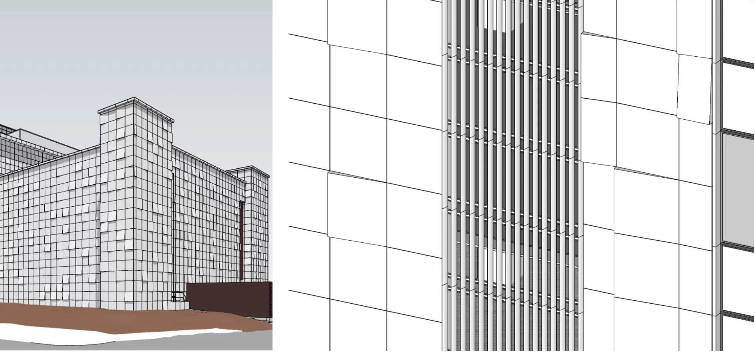
What Are Custom Facade Solutions?
Custom facade solutions refer to the design, engineering, and manufacturing of building exterior systems that are specifically tailored to a project’s architectural and technical requirements.
Unlike standard cladding systems, custom facades are developed to address:
Unique building geometry
Complex structural conditions
Specific climate and environmental requirements
Architectural branding and visual identity
Performance requirements such as insulation or shading
These systems may include aluminum panels, glass curtain walls, metal mesh, stone cladding, or hybrid material combinations.
Modern facade manufacturers often collaborate directly with architects and engineers to transform conceptual designs into buildable, code-compliant systems.
Why Custom Facade Solutions Are Important in Modern Architecture
1. Architectural Freedom and Design Flexibility
One of the biggest advantages of custom facades is the ability to support complex architectural visions. Whether a building requires curved surfaces, geometric patterns, or dynamic textures, customized systems allow designers to push beyond standard limitations.
Advanced fabrication technologies such as CNC machining, parametric modeling, and digital design workflows make it possible to translate intricate concepts into real building components.
2. Performance-Driven Building Envelopes
Modern facades are expected to do more than look visually appealing. They must also contribute to building performance by providing:
Thermal insulation
Weather protection
Solar shading
Acoustic control
Energy efficiency
Custom facade systems are engineered to balance aesthetics with functional performance, ensuring long-term durability and reduced operational costs.
3. Integration of Advanced Materials
Custom facade solutions often combine multiple material systems such as:
Aluminum composite panels (ACP)
Glass curtain walls
Terracotta rainscreen systems
Perforated metal screens
UHPC and GFRC panels
This material flexibility enables architects to achieve distinctive textures, colors, and structural effects tailored to each project.
4. Sustainability and Energy Efficiency
Sustainability has become a core requirement in contemporary architecture. Custom facades support green building goals by enabling:
High-performance insulation systems
Ventilated facade structures
Recyclable and low-impact materials
Solar control and daylight optimization
Some modern systems even integrate photovoltaic technology, turning facades into energy-generating surfaces.
Key Components of Custom Facade Systems
Structural Subframes
The subframe system is the backbone of any facade. It ensures stability, load distribution, and proper alignment with the building structure.
Cladding Panels
Cladding materials define the visual identity of the facade. These panels can be flat, curved, perforated, or textured depending on design requirements.
Attachment Systems
Modern facade systems use advanced mounting technologies that allow:
Hidden fasteners
Modular installation
Thermal movement tolerance
Easy maintenance access
Insulation and Weather Barriers
Behind the visible layer, high-performance insulation and waterproof membranes ensure energy efficiency and building protection.
The Custom Facade Design Process
A typical custom facade project follows a structured workflow:
1. Concept Design Phase
Architects define the visual direction, materials, and overall facade concept.
2. Engineering and Feasibility Study
Structural and facade engineers evaluate load capacity, wind resistance, and installation constraints.
3. Prototyping and Mock-ups
Physical samples or full-scale mock-ups are created to test appearance and performance.
4. Fabrication and Manufacturing
Precision manufacturing processes ensure consistency and accuracy of facade components.
5. Installation and Commissioning
On-site installation teams assemble the system with strict alignment and quality control standards.
Applications of Custom Facade Solutions
Custom facade systems are widely used in:
Commercial office towers
Shopping malls and retail centers
Hotels and hospitality buildings
Cultural and civic institutions
Transportation hubs (airports, stations)
High-end residential developments
Each application requires different levels of performance, durability, and visual impact.
Challenges in Custom Facade Projects
While custom solutions offer significant advantages, they also present challenges:
Higher design and engineering complexity
Longer lead times compared to standard systems
Coordination between multiple stakeholders
Cost optimization while maintaining performance
Installation precision requirements
Successful execution depends on close collaboration between architects, engineers, and facade manufacturers.
Future Trends in Facade Customization
The future of facade design is moving toward:
Parametric and algorithm-driven design systems
Smart facades with adaptive shading and lighting
Integration of renewable energy systems
Modular prefabrication for faster installation
AI-assisted facade performance optimization
These innovations are reshaping how buildings are designed, constructed, and experienced.
Conclusion
Custom facade solutions have become an essential part of modern architectural projects, enabling buildings to achieve a balance between aesthetics, performance, and sustainability. By combining advanced materials, precision engineering, and collaborative design processes, custom facades transform architectural visions into functional, high-performance building envelopes.
As urban environments continue to evolve, the role of customized facade systems will only become more important in defining the identity and efficiency of future buildings.
www.willstrong360.com
WILLSTRONG®