
Welding is one of the most demanding industrial processes, combining extreme heat, molten metal, sparks, and intense radiation in a confined workspace. Whether in heavy manufacturing, shipbuilding, construction, or maintenance operations, welding activities pose serious risks to both personnel and equipment. Effective protection is not optional—it is a fundamental requirement. Among the many protective materials available today, fiberglass cloth has become one of the most reliable and widely used solutions for welding protection.
This article explains why fiberglass cloth plays such a critical role in welding safety, how it performs in real industrial environments, and what factors make it suitable for long-term, high-temperature protection.
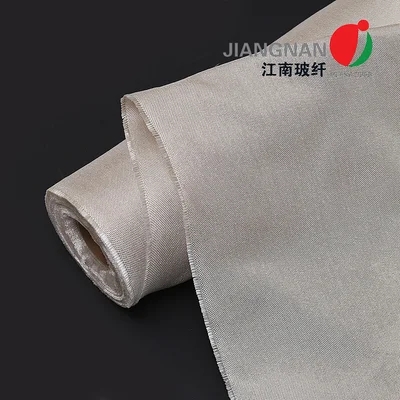
The Real Hazards in Welding Environments
Welding hazards are not limited to visible sparks or flames. In practice, protection must address multiple threats simultaneously:
Continuous exposure to high temperatures
Molten metal splatter and welding slag
Hot sparks traveling several meters
Radiant heat that can damage nearby equipment
Fire risks from combustible surroundings
Traditional fabrics or low-grade protective materials fail quickly under these conditions. They may ignite, melt, or lose structural integrity, creating secondary hazards rather than preventing them. This is where fiberglass cloth demonstrates clear advantages.
What Makes Fiberglass Cloth Different
Fiberglass cloth is woven from fine glass fibers derived from silica-based raw materials. Unlike organic fibers, fiberglass does not burn, melt, or shrink under extreme heat. Instead, it maintains dimensional stability and mechanical strength, even when exposed to continuous high temperatures.
In welding protection applications, fiberglass cloth is commonly used for:
Welding blankets
Fire curtains
Protective covers for machinery
Thermal insulation barriers
Worker safety shields
Its performance is not theoretical—it has been proven across decades of industrial use.
High-Temperature Resistance Where It Matters
One of the most critical reasons fiberglass cloth is essential for welding protection is its temperature resistance range. High-quality fiberglass cloth can withstand prolonged exposure to temperatures far exceeding what most welding operations generate.
In practical terms, this means:
Sparks and slag do not penetrate the fabric
Heat is dispersed rather than transferred
Surrounding areas remain protected from ignition
For industrial buyers, this translates into safer workspaces, fewer fire incidents, and reduced equipment damage.
A well-designed fiberglass cloth used in welding protection environments typically operates effectively across a wide temperature span, making it suitable for both light fabrication workshops and heavy-duty industrial welding lines.
Mechanical Strength and Durability in Daily Use
Welding protection materials are often reused many times. They are folded, dragged, hung, exposed to abrasion, and occasionally struck by tools or falling debris. Fiberglass cloth offers strong tensile strength and abrasion resistance, allowing it to withstand daily industrial handling.
This durability is especially important for:
Welding curtains in busy production areas
Fire blankets used repeatedly during maintenance
Protective barriers around robotic welding cells
Because fiberglass cloth does not degrade easily under thermal stress, its service life is significantly longer compared to many alternative materials.
Plain Weave Fiberglass Cloth for Welding Protection
Among different weave styles, plain weave fiberglass cloth is widely used for welding protection due to its balanced structure. It provides:
Uniform strength in both warp and weft directions
Smooth surface for coatings and treatments
Consistent thickness and density
For readers interested in technical specifications and real-world application performance, the following product reference provides detailed information about fiberglass cloth designed specifically for welding protection in high-temperature environments:
<a href="https://www.jnglassfiber.com/plain-weave-structure-texturized-fiberglass-cloth-for-welding-protection-in-high-temperature-environments-50c-to-550c.html">
Plain weave fiberglass cloth for welding protection</a>
This type of material is widely used in workshops where both heat resistance and handling flexibility are required.
The Role of Coatings in Welding Safety
While base fiberglass cloth already performs well under heat, many welding applications require additional surface treatments. Coatings such as silicone, acrylic, or other high-temperature compounds enhance performance by adding:
Improved resistance to molten metal splatter
Reduced fiber shedding
Better water and chemical resistance
Easier cleaning and maintenance
Coated fiberglass cloth is particularly valuable in environments where welding is combined with cutting, grinding, or exposure to oils and chemicals.
Industrial Scale Manufacturing Matters
The performance of fiberglass cloth is not only determined by material composition but also by manufacturing capability. Consistent weaving quality, precise yarn control, and reliable coating processes are critical for ensuring safety performance in real use.
Changshu Jiangnan Fiberglass Co., Ltd. stands out in this respect. Founded in 1956, the company has decades of experience in high-temperature materials and fiberglass composites. With a production area exceeding 100,000 square meters, Jiangnan Fiberglass has invested heavily in advanced warp-knitting equipment and wide-width coating lines to support stable, large-scale supply.
The company’s annual output includes:
50,000 tons of fiberglass and fiberglass products
Woven fiberglass fabrics
2.4 million fire blankets
10 million meters of coated fiberglass cloth
Such capacity ensures not only volume availability but also consistent quality, which is essential for industrial welding protection applications.
Proven Applications Across Industries
Fiberglass cloth for welding protection is not limited to one sector. Its use spans multiple industries where heat and fire risks are present:
Wind power manufacturing and maintenance
Construction and steel structure fabrication
Transportation equipment production
Electronics manufacturing environments
General industrial safety protection
Changshu Jiangnan Fiberglass Co., Ltd. has supplied fiberglass materials to many of these sectors, supporting both standard safety products and customized solutions.
Research and Development Drives Practical Innovation
Effective welding protection materials are not static products. They evolve based on field feedback, new industrial requirements, and advances in composite technology. Jiangnan Fiberglass has built a strong R&D team that works across projects ranging from safety protection products to advanced wind power composite materials.
This focus on research allows continuous improvements in:
Heat resistance performance
Fabric flexibility and handling
Coating adhesion and durability
Compliance with international safety standards
For welding operations, these improvements directly impact worker safety and operational reliability.
Choosing the Right Fiberglass Cloth for Welding
Not all fiberglass cloth is suitable for welding protection. When selecting materials, industrial users should consider:
Continuous and peak temperature resistance
Fabric weight and thickness
Weave structure and flexibility
Surface coating requirements
Intended application environment
Working with experienced manufacturers ensures that the selected fiberglass cloth matches real operating conditions rather than theoretical specifications.
www.jnglassfiber.com
Changshu Jiangnan Fiberglass Co., Ltd.