
The traditional floral retail industry has long struggled with operational constraints that limit revenue potential. Brick-and-mortar flower shops face restricted operating hours, high labor costs, and geographic limitations that prevent them from capturing spontaneous purchases in high-traffic venues. As consumer behavior shifts toward convenience and 24/7 accessibility, automated retail solutions are emerging as a transformative answer to these challenges.
The Evolution of Automated Floral Retail
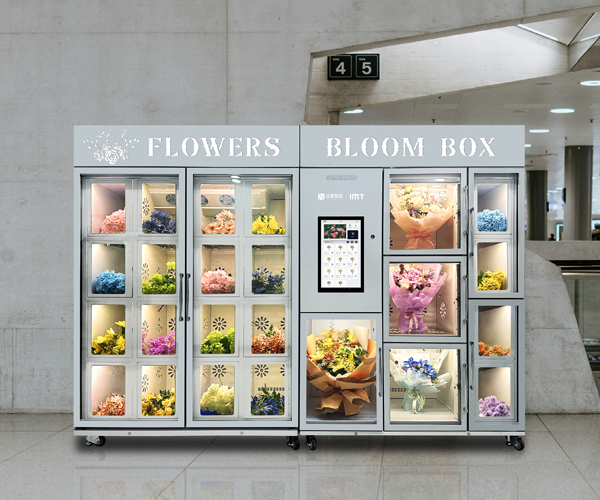
Flower vending machines represent a significant innovation in the retail landscape, addressing fundamental pain points that have constrained the industry for decades. Traditional florists typically operate during standard business hours, missing opportunities during evenings, weekends, and holidays when demand for last-minute gifts and celebratory arrangements peaks. Additionally, the perishable nature of fresh flowers requires specialized storage conditions that few automated systems can provide effectively.
The automated floral retail sector has evolved to overcome these obstacles through sophisticated preservation technology and strategic placement in venues with consistent foot traffic. Airports, subway stations, shopping malls, hospitals, and hotels now serve as ideal locations for these automated units, capturing impulse purchases from travelers, commuters, and visitors who need convenient access to fresh flowers without the constraints of traditional retail hours.
Preservation Technology: The Core Challenge
The success of any flower vending machine hinges on its ability to maintain product freshness over extended periods. Unlike conventional vending machines that dispense shelf-stable products, floral units must replicate the controlled environment of a commercial cooler while maintaining energy efficiency and compact dimensions suitable for public spaces.
Advanced air-cooled preservation systems have emerged as the industry standard, utilizing targeted airflow circulation to maintain optimal temperature and humidity levels. This technology extends the storage lifespan of floral arrangements by creating microclimate conditions that slow wilting and preserve hydration. The system operates continuously, ensuring that flowers remain market-ready regardless of ambient temperature fluctuations in high-traffic environments.
Complementing the cooling system, modern flower vending machines incorporate polyurethane insulation through one-piece foam molding techniques. This construction method eliminates thermal bridges that compromise temperature stability, reducing energy consumption while maximizing preservation effectiveness. The insulated cabinet maintains consistent internal conditions even when doors open frequently during peak usage periods.
Visibility presents another technical challenge in refrigerated vending applications. Condensation on glass panels obscures product displays, reducing consumer confidence and purchase intent. Addressing this issue, leading manufacturers have integrated glass electric defogger systems that use embedded heating elements to prevent fogging. These systems employ explosion-proof and smash-proof glass construction, balancing safety requirements with the need for clear product visibility in public venues.
Security and Inventory Management
High-traffic locations that offer the greatest revenue potential also present elevated security risks. Unlike traditional vending machines with continuous spiral dispensers, flower arrangements require individual protection due to their higher per-unit value and fragile nature.
Independent storage architecture has become the preferred solution, featuring cabinet-style lanes with separate compartments and secure doors for each product slot. This design prevents unauthorized access and protects inventory from tampering while allowing legitimate customers to retrieve their purchases safely. The configuration also enables vendors to offer mixed product assortments within a single machine, accommodating different arrangement sizes and price points.
Digital Integration and Operational Efficiency
Modern flower vending machines extend beyond hardware capabilities to incorporate cloud-based management platforms that transform operational efficiency. Smart retail sales platforms enable real-time monitoring of sales data, inventory levels, and profit metrics across multiple machine locations. This visibility allows operators to optimize restocking schedules, identify high-performing venues, and adjust product assortments based on actual purchase patterns.
Remote control operations eliminate the need for constant physical oversight, reducing labor costs while maintaining operational standards. Multi-level account management systems support subsidiary account creation, enabling agents and franchisees to manage decentralized machine networks without compromising data security or financial transparency.
Market Applications and Deployment Considerations
The versatility of automated floral retail extends across diverse venue types, each presenting unique operational requirements. Transportation hubs such as subways, airports, and train stations benefit from machines equipped with large interactive touchscreens—typically 15.6-inch displays—that facilitate quick transactions for time-pressed travelers. The user interface simplifies product selection and payment processing, maximizing throughput during peak commute periods.
Recreational venues including amusement parks, city parks, and tourist attractions represent another high-value deployment category. These locations experience seasonal demand surges that traditional retail cannot accommodate cost-effectively. Automated units capture spontaneous gift purchases without the overhead of staffed kiosks, particularly during evening hours and holidays when labor costs escalate.
Healthcare facilities and hotels present specialized opportunities where convenience intersects with emotional purchasing. Hospital visitors seeking sympathy arrangements and hotel guests purchasing romantic gestures benefit from 24/7 accessibility without leaving the premises. The discreet, self-service nature of vending machines also appeals to customers who prefer privacy during sensitive purchases.
Customization and Service Models
Recognizing that different operators face varying market conditions and capital constraints, advanced manufacturers offer flexible engagement models. Original Design Manufacturer (ODM) services allow entrepreneurs to launch automated retail operations without minimum order quantities, reducing entry barriers for small-scale operators testing new markets. This approach includes pre-delivery quality assurance testing and technical assistance to ensure successful deployment.
For established operators seeking brand differentiation, Original Equipment Manufacturer (OEM) services provide hardware and software customization with minimum order quantities typically starting at 10 units. This model supports private labeling, custom exterior graphics, and tailored user interface designs that reinforce brand identity across machine networks.
Production cycles generally range from 7 to 30 days depending on customization requirements, with logistics options spanning sea freight (25-45 days), land transportation (25-45 days), and express shipping via DHL or FedEx (5-7 days). Comprehensive one-year warranties and lifetime technical assistance provide operational security for long-term deployment strategies.
Expanding Beyond Flowers: Diversified Vending Solutions
While floral retail represents the flagship application, the underlying technology platforms support diverse product categories that share similar operational requirements. IMT Vending has leveraged its preservation and security expertise to develop specialized units for cup noodles and ramen with integrated hot water dispensing, addressing the demand for instant meal options in hospitals, schools, and overnight facilities.
Beverage and snack vending machines incorporating ruggedized metal keypads and high-density storage configurations—ranging from 36 to 60 product slots—demonstrate the scalability of automated retail technology. These units combine aesthetic appeal with durable transaction hardware suitable for unsupervised public environments, expanding revenue opportunities beyond perishable goods.
The Future of Unattended Retail
As consumer expectations continue favoring convenience and immediacy, automated retail solutions will play an increasingly central role in capturing untapped market share. The convergence of preservation technology, digital management platforms, and strategic venue partnerships positions flower vending machines as a proven model for overcoming traditional retail barriers.
For entrepreneurs and venue operators seeking to monetize high-traffic spaces without the complexity of staffed retail operations, automated floral retail offers a compelling value proposition. The combination of 24/7 availability, minimal labor requirements, and data-driven inventory optimization creates sustainable revenue streams that scale across multiple locations.
The evolution from simple mechanical dispensers to sophisticated climate-controlled retail platforms reflects broader industry trends toward automation and customer self-service. As technology continues advancing and consumer adoption grows, flower vending machines and their derivative applications will increasingly define the future of convenience retail across transportation, hospitality, healthcare, and recreational sectors.
https://www.imtvending.com/
Guangzhou IMT Technology Co., Ltd.