
A no-pull dog harness is one of the most effective training tools for improving leash behavior while keeping your dog safe and comfortable during walks. However, like any pet accessory that is exposed to dirt, moisture, sweat, and outdoor elements, a harness requires regular cleaning and proper maintenance to ensure durability and hygiene.
Whether you use a dog harness for daily walks, hiking, or training sessions, learning how to properly care for it will extend its lifespan, maintain its effectiveness, and keep your dog comfortable. In this guide, we’ll walk through everything you need to know about cleaning and maintaining a no-pull dog harness, from routine washing to deep cleaning methods and long-term storage tips.
Why Cleaning a No-Pull Dog Harness Matters
Many pet owners underestimate how quickly a dog harness can accumulate dirt and bacteria. Every walk exposes it to dust, sweat, saliva, mud, rainwater, and sometimes even swimming pool chlorine or seawater.
If not cleaned regularly, a dirty harness can lead to:
Skin irritation or hot spots on your dog
Unpleasant odors that linger on fabric or straps
Reduced durability of buckles, stitching, and padding
Poor fit due to hardened or stiff material
Increased risk of bacterial growth
A well-maintained no-pull dog harness not only lasts longer but also ensures your dog stays healthy and comfortable during every walk.
Understanding Your Dog Harness Material Before Cleaning
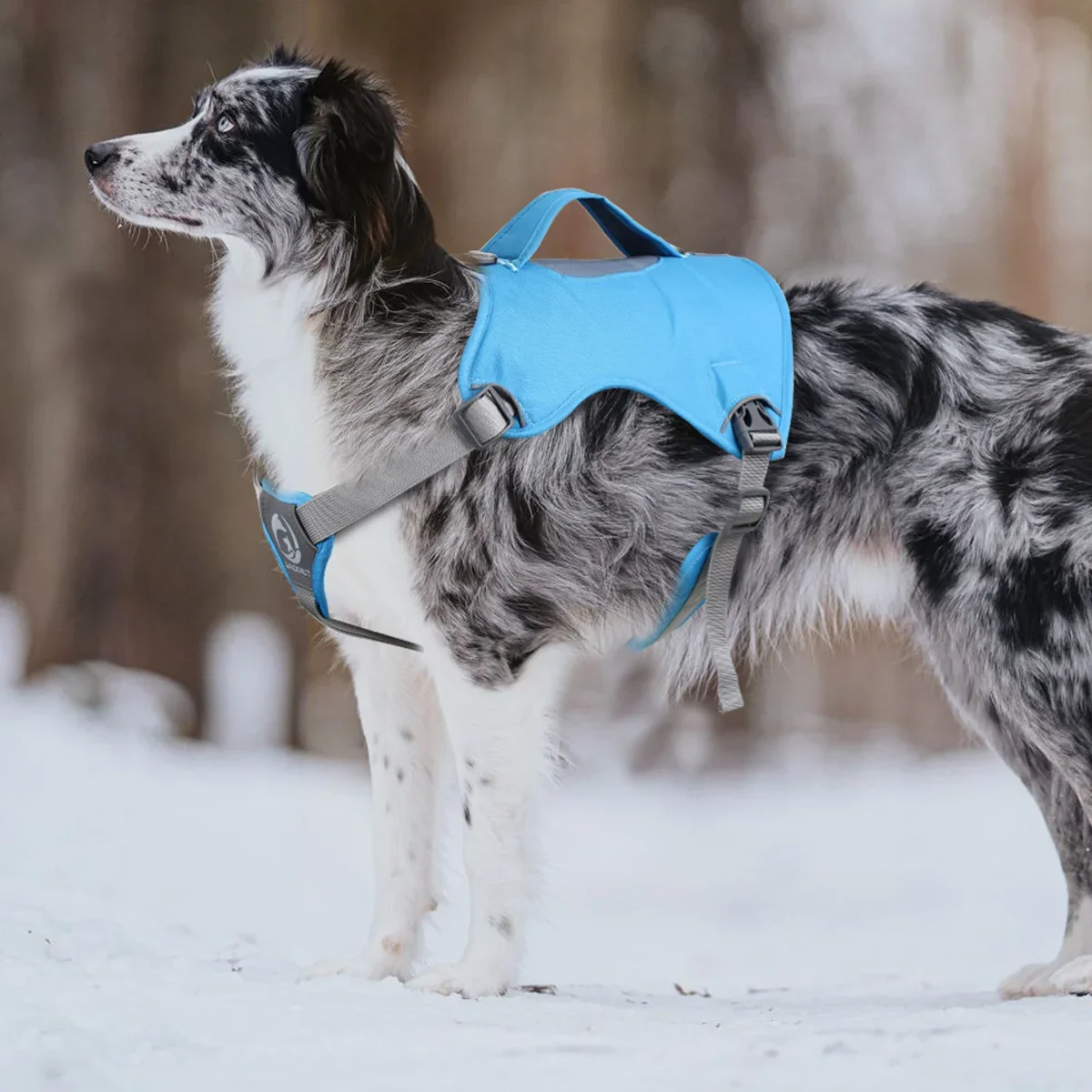
Before you start washing your dog's harness, it’s important to identify the material. Different materials require different care methods:
1. Nylon Dog Harness
Most common type of no-pull dog harness, lightweight and durable.
Easy to wash
Dries quickly
Can handle mild detergents and hand washing
2. Mesh or Padded Harness
Often used for comfort-focused designs.
Requires gentle washing
Padding can retain moisture
Needs thorough drying to prevent odor buildup
3. Leather Harness
Less common but stylish and durable.
Requires special leather cleaners
Should never be soaked in water
Needs conditioning to prevent cracking
Knowing your dog's harness material helps avoid damage during cleaning.
How Often Should You Clean a No-Pull Dog Harness?
The frequency of cleaning depends on usage:
Daily use: Wash every 1–2 weeks
Occasional use: Wash once a month
Outdoor/hiking use: Clean after every muddy or wet trip
Swimming exposure: Rinse immediately after use
Even if the dog harness looks clean, invisible bacteria and sweat can build up over time.
Step-by-Step Guide to Cleaning a No-Pull Dog Harness
Step 1: Pre-Clean Inspection
Before washing your no-pull dog harness, check for:
Frayed stitching
Loose buckles or clips
Damaged straps
Metal rust or corrosion
If any damage is found, repair or replace the harness before continuing use.
Step 2: Remove Loose Dirt
Shake off dirt and debris from the dog harness. You can also use a soft brush to remove dried mud, hair, or dust. This step prevents dirt from embedding deeper during washing.
Step 3: Hand Washing Method (Recommended)
Hand washing is the safest and most effective way to clean a no-pull dog harness.
What you need:
Warm water
Mild detergent (pet-safe preferred)
Soft brush or cloth
Instructions:
Fill a basin with warm water.
Add a small amount of mild detergent.
Submerge the dog harness and gently scrub all surfaces.
Pay attention to padded areas where sweat accumulates.
Use a soft brush for stubborn stains.
Rinse thoroughly with clean water.
Avoid harsh chemicals or bleach, as they can weaken the fabric of your dog harness.
Step 4: Machine Washing (If Allowed)
Some modern no-pull dog harness products are machine washable. Always check the label first.
If machine washing is safe:
Place the harness in a laundry bag
Use a gentle cycle
Use cold or lukewarm water
Avoid spin-drying at high speed
This method is convenient but may shorten the lifespan of delicate padding.
Step 5: Deep Cleaning for Smelly Harnesses
If your dog harness has a strong odor, try this deep cleaning method:
Soak in a mixture of water and white vinegar (3:1 ratio) for 15–20 minutes
Rinse thoroughly
Wash again with mild detergent
This helps neutralize odor-causing bacteria without damaging the material.
Proper Drying Techniques for a Dog Harness
Drying is just as important as washing. Improper drying can lead to mold, mildew, or material deformation.
Best Practices:
Air dry in a shaded area
Avoid direct sunlight (prevents fading and material weakening)
Hang the no-pull dog harness to maintain shape
Ensure all padding is completely dry before use
What to Avoid:
Tumble dryers (can damage straps and buckles)
Radiators or heaters (can warp synthetic materials)
A fully dry dog harness ensures comfort and prevents skin issues for your pet.
Weekly Maintenance Tips for a Dog Harness
Regular maintenance reduces the need for deep cleaning and keeps your no-pull dog harness in top condition.
1. Quick Wipe After Walks
Use a damp cloth to wipe off dirt after each walk.
2. Check Fit Regularly
Dogs grow or change weight. Adjust straps to ensure the dog harness remains snug but not tight.
3. Inspect Hardware
Check D-rings, buckles, and clips for rust or weakness.
4. Remove Hair Build-Up
Pet hair can get trapped in padding and stitching. Remove it weekly to maintain hygiene.
Long-Term Storage Tips
If you’re not using the no-pull dog harness for an extended period, proper storage is essential.
Store in a dry, cool place
Avoid humid environments
Keep away from direct sunlight
Do not fold tightly to avoid strap deformation
Place in a breathable bag if possible
Proper storage keeps your dog harness ready for use at any time.
Common Mistakes to Avoid When Cleaning a Dog Harness
Many pet owners unintentionally damage their no-pull dog harness by making simple mistakes:
1. Using Harsh Chemicals
Bleach or strong detergents can weaken fibers and irritate your dog’s skin.
2. Not Rinsing Properly
Soap residue can cause itching and discomfort.
3. Washing Too Frequently
Over-washing may wear out fabric faster than necessary.
4. Ignoring Metal Parts
Buckles and rings should also be cleaned and dried to prevent rust.
Signs It’s Time to Replace Your Dog Harness
Even with good maintenance, every dog harness has a limited lifespan. Replace it if you notice:
Frayed or torn straps
Broken buckles or clips
Loss of structural support
Persistent odor even after washing
Loose stitching
A worn-out no-pull dog harness can reduce safety and control during walks.
Final Thoughts
A no-pull dog harness is more than just a walking accessory—it’s a tool that supports better behavior, safer walks, and improved comfort for your pet. However, its performance depends heavily on how well it is maintained.
By following a regular cleaning routine, using proper washing techniques, and storing it correctly, you can significantly extend the life of your dog harness while ensuring your dog stays clean, comfortable, and safe.
Consistent care not only protects your investment but also enhances every walking experience with your furry companion.
www.dogfavors.com
dogfavors