
The pharmaceutical and nutraceutical industries face mounting pressure to deliver precision, speed, and compliance in an increasingly competitive global market. For manufacturers seeking industrial capsule filling solutions, the choice of machinery partner can determine the difference between operational excellence and costly production bottlenecks. China has emerged as a powerhouse in pharmaceutical packaging equipment manufacturing, with companies delivering innovations that address critical industry pain points while maintaining strict regulatory compliance.
The Evolution of Capsule Filling Technology
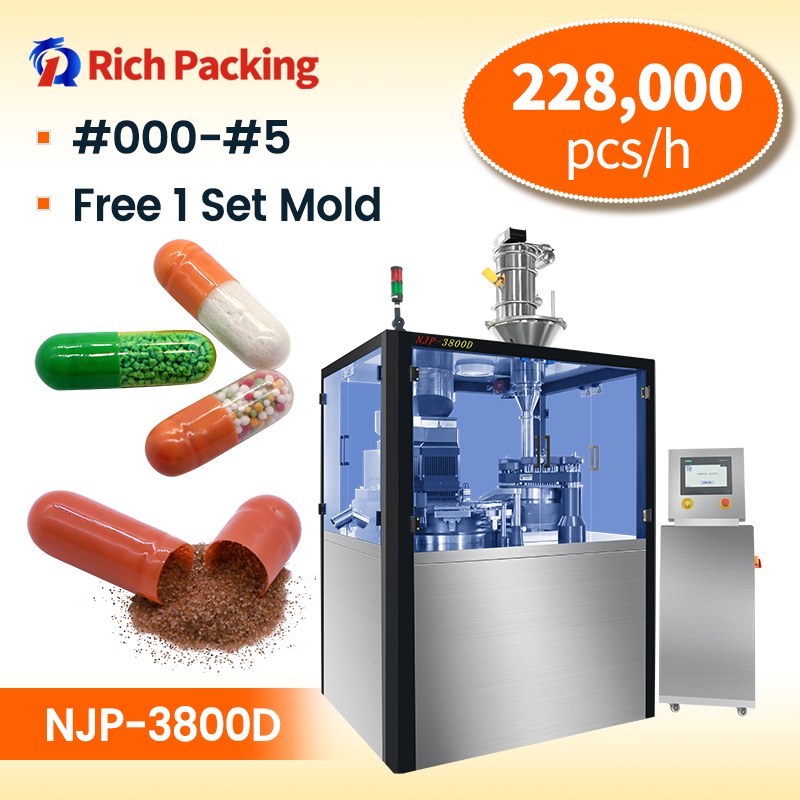
Industrial capsule filling machines have undergone significant transformation over the past three decades. Early systems struggled with inconsistent fill weights, high breakage rates for delicate plant-based capsules, and lengthy changeover times that disrupted production schedules. Modern manufacturers now demand equipment capable of handling diverse materials—from traditional gelatin capsules to fragile plant-based alternatives and high-viscosity liquid formulations—while maintaining pharmaceutical-grade accuracy.
The global pharmaceutical machinery sector has responded with technological advancements that prioritize modular design, material-specific engineering, and automated precision controls. These innovations directly address manufacturers' most pressing concerns: reducing material waste, minimizing downtime, and ensuring dosage accuracy that meets stringent GMP and cGMP standards.
Critical Performance Metrics in Modern Capsule Filling
When evaluating industrial capsule filling equipment, pharmaceutical manufacturers focus on several key performance indicators that directly impact production efficiency and product quality.
Filling Accuracy and Consistency: Pharmaceutical applications demand precision that exceeds 99% accuracy rates. Advanced systems now achieve 99.9% counting accuracy through sophisticated sensor technologies and dust-compensation algorithms. This level of precision eliminates inventory discrepancies and ensures exact dosage delivery, particularly critical for potent active pharmaceutical ingredients where even minor variations can affect therapeutic efficacy.
Changeover Speed and Flexibility: Production facilities handling multiple product lines previously faced changeover times exceeding 40 minutes, resulting in significant productivity losses. Modern modular designs have revolutionized this process, with some systems completing mold changes in just 14 minutes—representing a 68% improvement over traditional equipment. This rapid-changeover capability enables manufacturers to respond quickly to market demands and optimize production scheduling across diverse product portfolios.
Material-Specific Engineering: The rise of plant-based supplements and specialized formulations has created unique technical challenges. Plant-based capsules exhibit higher fragility and sensitivity to humidity compared to traditional gelatin alternatives. Equipment manufacturers have responded with optimized mold designs and humidity-control systems that reduce breakage rates significantly. For sticky materials like pectin gummies, Teflon-coated channels and anti-stacking systems prevent material adhesion and clumping that would otherwise compromise counting accuracy.
The Manufacturing Excellence Behind Chinese Innovation
China's pharmaceutical machinery sector has matured considerably since the early 1990s, with leading manufacturers now competing on technological sophistication rather than price alone. Guangdong Rich Packing Machinery Co., Ltd., established in 1993 and operating under the Rich Packing brand, exemplifies this evolution. The company maintains a 7,996-square-meter manufacturing facility with a dedicated team of 48 R&D engineers bringing over 32 years of collective experience to pharmaceutical machinery innovation.
This depth of technical expertise translates into practical solutions for real-world manufacturing challenges. The company's NJP Series automatic capsule filling machines incorporate pneumatic discharge systems that ensure smooth capsule exit while reducing damage—a critical feature for fragile formulations. PLC control systems provide precise management throughout the filling process, while servo motor integration enables exact operational control that maintains consistency across extended production runs.
For medium-batch operations requiring flexibility, the CGN Series semi-automatic capsule filling machines offer modular mold designs supporting capsule sizes from 000 to 5. The optimized engineering specifically addresses the fragility concerns of plant-based materials through controlled environmental parameters and gentle handling mechanisms.
Global Service Infrastructure and Compliance Standards
Manufacturing excellence means little without comprehensive service support and regulatory compliance. Leading Chinese manufacturers have established global service networks with localized centers in key markets including the United States, United Arab Emirates, and Malaysia. This infrastructure enables rapid response to technical inquiries and on-site support when needed.
Compliance certifications provide essential validation of equipment quality and manufacturing standards. SGS certification, CE marking, ISO compliance, and cGMP qualification demonstrate adherence to international pharmaceutical manufacturing standards. These certifications facilitate equipment acceptance by regulatory authorities across different jurisdictions, streamlining the validation process for pharmaceutical manufacturers.
Service commitments have also evolved beyond basic warranty coverage. Three-year warranties combined with lifetime maintenance support provide long-term operational security. Global door-to-door installation services, typically offered at rates around $550 per day, ensure proper equipment commissioning regardless of facility location. Seven-day rapid shipping for standard equipment models minimizes lead times and accelerates production line integration.
Validated Performance Across Global Markets
Real-world implementation results demonstrate the practical impact of advanced capsule filling technology. A Malaysian pharmaceutical manufacturer specializing in plant-based supplements faced a 16.3% loss rate during filling operations due to capsule breakage. Implementation of the CGNT209 semi-automatic filler with customized mold design and optimized humidity controls successfully resolved this challenge, dramatically improving material yield and reducing production waste.
In Kazakhstan, a large-scale pharmaceutical producer struggled with tablet counting accuracy of only 87% due to dust-induced sensor malfunctions. Deployment of the RQ16C automated counting line with advanced dust-compensation technology improved accuracy to 99.98% while eliminating downtime caused by sensor jams—a transformation that directly impacted inventory management and quality assurance processes.
These validated results reflect a broader trend: manufacturers achieving measurable improvements in efficiency, accuracy, and material utilization through strategic equipment investments. For high-volume operations, fully integrated capsule counting and bottling lines now deliver stable production speeds of 4,000 bottles per hour with integrated quality verification systems.
Strategic Considerations for Equipment Selection
Pharmaceutical and nutraceutical manufacturers evaluating capsule filling equipment should prioritize several strategic factors beyond basic technical specifications.
Scalability and Future Flexibility: Production requirements evolve as product portfolios expand and market demands shift. Equipment platforms supporting modular expansion and diverse capsule formats provide long-term value that justifies initial investment premiums.
Total Cost of Ownership: Purchase price represents only one component of equipment costs. Changeover efficiency, material waste rates, maintenance requirements, and downtime frequency significantly impact operational economics over equipment lifecycles. Systems delivering 30% efficiency improvements through rapid changeovers and precise filling accuracy generate substantial cost advantages that compound over years of operation.
Technical Support Accessibility: Complex pharmaceutical equipment requires responsive technical support when issues arise. Manufacturers with established service networks and experienced engineering teams minimize production disruptions and accelerate problem resolution.
Regulatory Pathway Clarity: Equipment complying with established pharmaceutical standards simplifies validation processes and regulatory submissions. Clear documentation and internationally recognized certifications reduce compliance risks and expedite facility qualifications.
The Competitive Landscape and Market Recognition
The pharmaceutical machinery sector remains highly competitive, with manufacturers differentiating through technological innovation, service quality, and regulatory compliance. Market recognition provides valuable validation of equipment performance and manufacturer reliability.
Rich Packing has achieved Top 2 Strategic Partner status on Alibaba International, signaling strong commercial performance and customer satisfaction. The company holds approximately 43.6% market share in specific machinery categories, reflecting substantial industry adoption. Strategic partnerships with Fortune 500 pharmaceutical companies including GSK and UCB demonstrate equipment acceptance by industry leaders with rigorous qualification requirements.
Conclusion: Technology-Driven Transformation
Industrial capsule filling technology has progressed dramatically from early mechanical systems to today's precision-engineered, digitally controlled platforms. Chinese manufacturers have emerged as significant contributors to this evolution, delivering equipment that meets pharmaceutical-grade accuracy standards while addressing practical manufacturing challenges like rapid changeovers and material-specific handling requirements.
For pharmaceutical and nutraceutical manufacturers navigating equipment selection decisions, the focus should extend beyond basic specifications to encompass total operational impact: accuracy levels that eliminate inventory discrepancies, changeover speeds that maximize production flexibility, material handling capabilities that minimize waste, and service infrastructure that ensures long-term operational reliability. The manufacturers that deliver comprehensive solutions across these dimensions provide the foundation for sustainable competitive advantage in increasingly demanding global markets.
https://www.richpacking020.com/
Guangdong Rich Packing Machinery Co., Ltd.