
Self-priming pumps have become an essential component in many industrial systems because they simplify one critical task: reliable liquid transfer without repeated manual priming. Compared with conventional centrifugal pumps, they can automatically remove air from the suction line and quickly resume operation, making them highly suitable for complex working environments.
Today, self-priming pumps are widely applied in municipal engineering, industrial manufacturing, marine systems, agriculture, construction, and energy industries. Their operational flexibility and dependable performance make them a preferred solution for many fluid-handling applications.
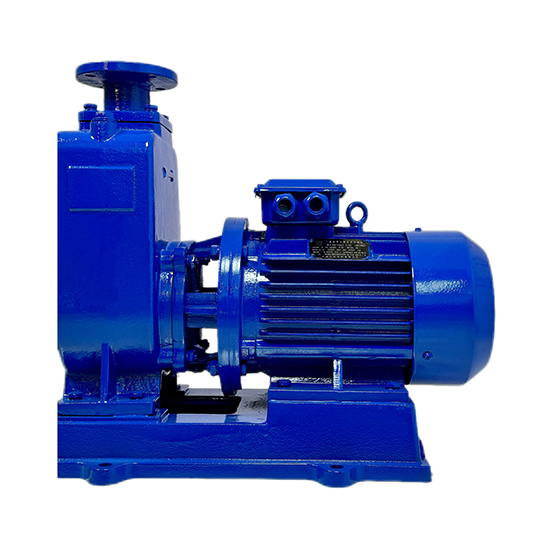
What Is a Self-Priming Pump?
A self-priming pump is a specially designed centrifugal pump capable of evacuating air from the suction pipe and restoring normal pumping automatically after the initial filling of the pump casing.
Unlike standard centrifugal pumps that require repeated manual priming, self-priming pumps can continue operating even when temporary air enters the suction system. This feature greatly improves efficiency in environments with fluctuating liquid levels or intermittent flow conditions.
For a detailed introduction to product structure and operating principles, you can refer to:
Because of their automatic priming capability, these pumps help reduce downtime and simplify operation in many demanding industries.
1. Municipal Engineering and Wastewater Systems
Sewage and Drainage Applications
Municipal wastewater facilities often need to transport liquids containing:
Solid particles
Sludge and sediment
Rainwater mixed with debris
Self-priming pumps are frequently installed in:
Sewage lift stations
Flood control systems
Emergency drainage equipment
Sewer bypass operations
Their ability to continue functioning during temporary dry-running conditions makes them highly practical for wastewater pumping stations.
Stormwater and Flood Control
During periods of heavy rainfall, fast and reliable drainage is essential. Self-priming pumps are widely used for:
Urban drainage projects
Temporary flood control systems
Construction site dewatering
Emergency water removal
Their ability to manage air-liquid mixtures efficiently is one of the main reasons they are favored in municipal infrastructure projects.
2. Industrial Manufacturing
Process Water Transfer
Manufacturing plants often require continuous movement of water between tanks, cooling systems, and treatment units. Self-priming pumps simplify these operations because they:
Reduce installation complexity
Eliminate the need for certain suction accessories
Handle minor suction leakage more effectively
Lower maintenance demands
Chemical and Corrosive Liquid Handling
When equipped with corrosion-resistant materials such as stainless steel alloys, self-priming pumps can handle:
Mild chemical liquids
Industrial wastewater
Cleaning solutions
Diluted acid and alkali fluids
In industrial environments, machining precision and structural reliability directly influence pump lifespan and operating stability.
With more than two decades of manufacturing experience, Zhejiang Hongyuan Pump Valve Technology Co., Ltd. focuses on production precision and continuous technical improvement. Professional machining equipment and standardized manufacturing processes help ensure stable performance under demanding industrial conditions.
3. Marine and Offshore Operations
Seawater Circulation and Bilge Systems
Self-priming pumps are commonly used aboard ships and offshore platforms for:
Bilge drainage
Seawater circulation
Ballast water transfer
Deck cleaning systems
Because these pumps can operate above the liquid source while maintaining strong suction capability, they are highly suitable for compact marine equipment layouts.
Fuel and Oil Transfer
Specialized self-priming pump configurations are also used for:
Diesel transfer
Lubricating oil circulation
Light fuel oil pumping
In marine applications, dependable priming performance is especially important because maintenance access can be limited during operation.
Manufacturers with broad product lines and extensive engineering experience are better able to recommend suitable pump models based on flow rate, head pressure, and liquid characteristics.
4. Agricultural Irrigation Systems
Surface Water Pumping
Agricultural operations often rely on rivers, ponds, and reservoirs as water sources. Since these water sources are commonly located below pump level, suction lift capability becomes essential.
Self-priming pumps are widely used for:
Farmland irrigation
Orchard watering
Greenhouse water supply
Agricultural drainage
Their automatic priming function eliminates the need for repeated manual setup during seasonal operation.
Portable Irrigation Equipment
Mobile irrigation systems particularly benefit from self-priming technology because:
Installation locations frequently change
Suction hoses often contain trapped air
Fast deployment is required in the field
For agricultural users, durability and ease of maintenance are often more valuable than highly complex automation systems.
5. Construction and Mining Industries
Construction Site Dewatering
Groundwater removal is a critical part of excavation and underground construction work. Self-priming pumps are commonly selected because they:
Handle muddy or dirty water effectively
Tolerate air entering the suction line
Restart easily after interruptions
Mining and Industrial Drainage
In mining and aggregate operations, self-priming pumps may be used for:
Pit dewatering
Slurry transfer applications
Equipment cleaning systems
Stable production capacity and reliable supply are especially important in these industries.
As a factory-based manufacturer with over 20 years of production experience, Zhejiang Hongyuan Pump Valve Technology Co., Ltd. maintains consistent manufacturing capability and dependable delivery performance for industrial customers.
6. Oil, Gas, and Energy Industries
Oil Transfer Systems
Self-priming pumps are frequently applied in:
Tank storage facilities
Oil loading and unloading operations
Fluid transfer between storage tanks
Since air pockets often develop within transfer systems, automatic priming capability helps simplify operation and reduce interruptions.
Power Plant Cooling and Drainage
In power generation facilities, these pumps are used in:
Cooling water circulation systems
Emergency drainage systems
Auxiliary fluid handling operations
Their ability to maintain stable operation under fluctuating suction conditions improves overall system reliability.
7. Food Processing and Light Industry
In hygienic or light industrial environments, self-priming pumps may be used for:
Clean water circulation
CIP (clean-in-place) systems
Transfer of liquid raw materials
For these applications, smooth internal surfaces and sanitary materials are extremely important.
Experienced manufacturers can also provide customized solutions including:
Material selection adjustments
Mechanical seal configuration
Motor matching
Model optimization based on operating conditions
With extensive industry experience, Zhejiang Hongyuan Pump Valve Technology Co., Ltd. provides customized pump solutions tailored to actual application requirements rather than generic standard configurations.
Why Self-Priming Pumps Are Widely Preferred
Several practical advantages explain the growing popularity of self-priming pumps across industries:
Simplified Installation
Many systems can operate without complex suction arrangements.
Reduced Maintenance
Their relatively simple structure lowers maintenance requirements compared with vacuum-assisted systems.
Flexible Operating Capability
They can tolerate intermittent air intake and fluctuating liquid levels.
Broad Media Compatibility
Depending on material selection, they can handle clean water, sewage, seawater, oils, and certain chemical liquids.
Reliable Automatic Restart
This feature is particularly valuable in automated or unattended systems.
When combined with precise manufacturing and strict quality control, these benefits contribute to long-term operational stability.
www.selfprimingpump.com
Zhejiang Hongyuan Pump Valve Technology Co., Ltd.