
Why Standard Interlocks Are Not Always Enough?
Modern industrial facilities are becoming increasingly complex as companies expand production capacity, introduce advanced automation systems, and operate under stricter safety requirements. In industries such as oil and gas, chemical processing, power generation, pharmaceuticals, mining, and marine engineering, equipment operations often involve multiple steps that must be completed in a specific sequence.
A simple operational mistake, such as opening the wrong valve, energizing equipment before maintenance completion, or bypassing an isolation procedure, can result in serious consequences including equipment damage, production losses, environmental incidents, and personnel injuries.
While standard safety devices can address many common risks, they are not always suitable for specialized industrial environments. Every facility has unique equipment layouts, operating procedures, and safety challenges. This is where custom mechanical interlocks become essential.
Unlike general-purpose locking devices, customized systems are designed around the exact requirements of a specific application. They provide physical control over equipment operation, ensuring that operators follow the correct sequence before accessing, starting, stopping, or isolating machinery.
For companies managing complex industrial processes, custom mechanical interlocks provide a reliable solution for improving operational safety while maintaining efficiency and flexibility.
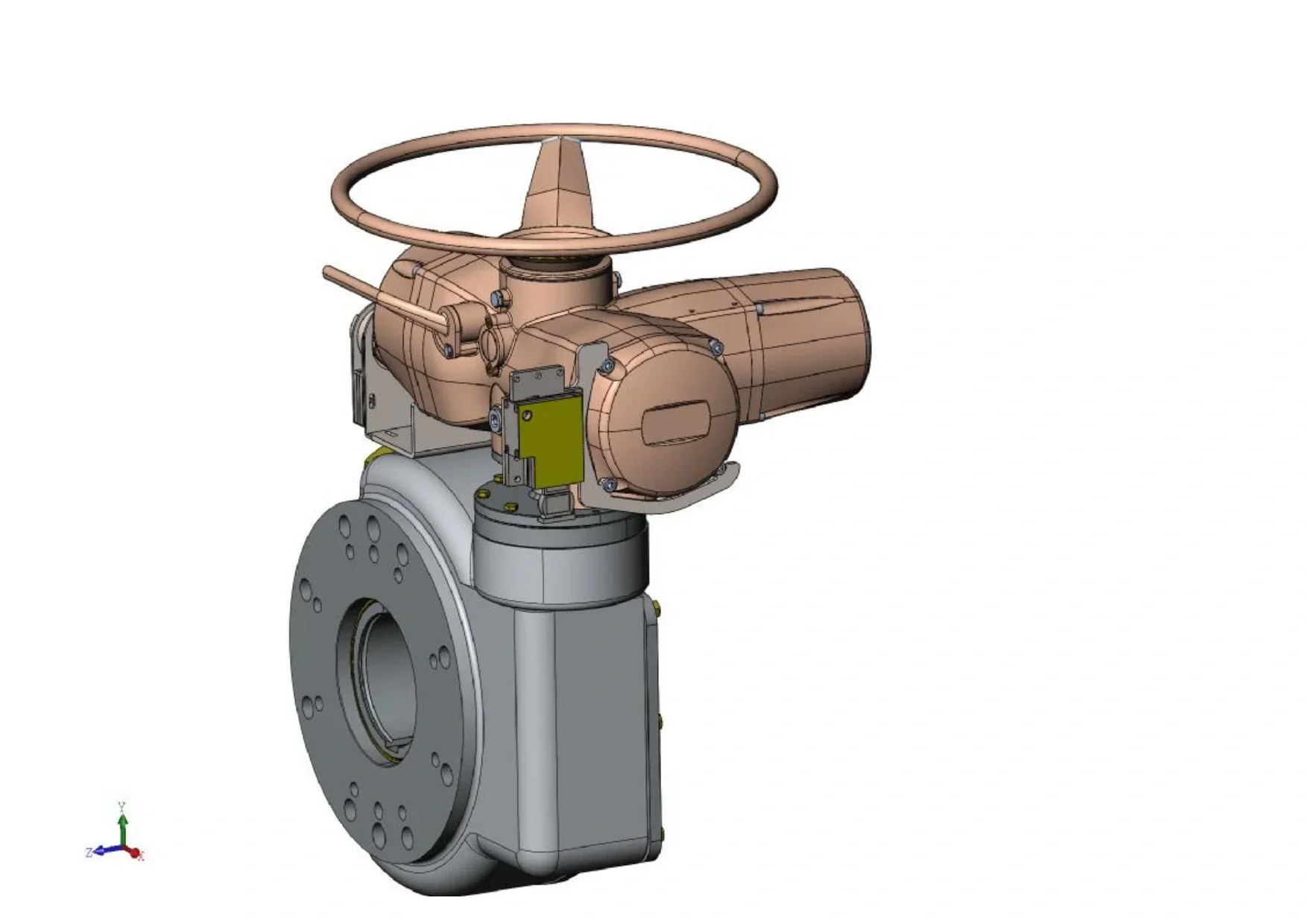
What Are Custom Mechanical Interlocks?
Custom mechanical interlocks are specially engineered safety devices designed to control the operation sequence between multiple pieces of industrial equipment. They use mechanical mechanisms such as locks, keys, bolts, and exchange units to prevent unsafe actions from occurring.
The fundamental principle behind these systems is simple: an operator cannot proceed to the next step until the previous safety condition has been completed.
For example, in a process plant containing multiple valves, a mechanical interlock system may require:
Closing one valve before another valve can be opened.
Isolating energy sources before maintenance access is allowed.
Completing a shutdown procedure before equipment doors can be unlocked.
Removing hazardous pressure before allowing internal inspection.
Unlike electronic safety systems, mechanical interlocks do not depend on electricity, software programming, sensors, or communication networks. This makes them highly reliable in harsh environments where electronic failures could create additional risks.
Modern mechanical interlock solutions are widely used to create safe operating procedures for industrial equipment, especially in applications where operational mistakes must be physically prevented rather than simply monitored.
How Custom Mechanical Interlocks Work in Industrial Applications
The working principle of a customized interlock system depends on the equipment configuration and safety requirements.
Most systems use specially coded keys or mechanical locking mechanisms to enforce a predetermined sequence.
Trapped Key Mechanical Interlock Systems
One of the most common technologies is trapped key mechanical interlocks.
In a trapped key system, a key remains locked inside one device until a specific safety condition is achieved. Once the correct operation is completed, the key is released and can be transferred to another device.
This creates a controlled sequence where operators must follow the approved procedure.
For example:
A circuit breaker must be isolated before a panel door can be opened.
A process valve must be closed before another valve can operate.
A pump must be stopped before maintenance access is permitted.
Because the key movement physically represents the safety status of the equipment, trapped key interlock systems provide a clear and reliable method of preventing human error.
Valve Interlock Systems
Many industrial accidents are caused by incorrect valve operation. In complex piping systems, opening or closing the wrong valve can create pressure problems, contamination risks, or unexpected chemical reactions.
Valve interlock systems are designed to control valve operation sequences and prevent unauthorized or unsafe movements.
These systems are commonly applied to:
Ball valves
Gate valves
Butterfly valves
Plug valves
Pressure isolation systems
Pipeline switching operations
By restricting valve operation to a predetermined sequence, mechanical valve interlocks provide effective protection for industries where fluid control is critical.
Manual Valve Interlock Systems
Although many industrial facilities use automated control systems, manual valve operation remains common in many applications.
Manual valve interlock systems provide additional safety control by ensuring that operators manually operate valves in the correct order.
They are particularly useful in:
Emergency shutdown procedures
Maintenance isolation
Storage tank operations
Loading and unloading systems
Utility distribution networks
These solutions are especially valuable in remote or hazardous locations where simple, reliable mechanical protection is preferred.
Industries That Benefit from Custom Mechanical Interlocks
Different industries face different safety challenges. Customized solutions allow companies to address their specific operational risks instead of relying on generic safety equipment.
Oil and Gas Industry Applications
The oil and gas industry operates some of the most demanding industrial environments in the world. Facilities often involve high pressure, flammable materials, and complex pipeline networks.
In these applications, industrial mechanical interlocks are used to control:
Pipeline isolation procedures
Compressor station operations
Wellhead equipment
Gas processing units
Offshore platforms
Emergency shutdown systems
For example, during pipeline maintenance, operators may need to isolate several valves in a precise order. A customized interlock system ensures that each isolation step is completed before maintenance work begins.
This reduces the possibility of accidental hydrocarbon release and supports safer working conditions.
Petrochemical and Chemical Processing Facilities
Chemical plants often involve hazardous substances that require strict process control.
A small operational error can lead to:
Chemical mixing failures
Pressure imbalance
Equipment damage
Toxic release
Production contamination
Customized process safety interlock systems help maintain safe operating procedures by physically controlling equipment access and operation sequences.
Applications include:
Reactor systems
Chemical storage tanks
Transfer pipelines
Mixing equipment
Separation units
By integrating industrial safety interlock systems, chemical manufacturers can improve process reliability while reducing operational risks.
Power Generation Facilities
Power plants rely on large amounts of energy, including electricity, steam, and pressurized systems. Maintenance activities require strict isolation procedures to protect workers.
Custom interlocks are widely used for:
Circuit breaker control
Generator isolation
Transformer maintenance
Turbine systems
Steam valve operations
Because power generation equipment often involves multiple energy sources, customized mechanical solutions provide an additional layer of protection beyond standard lockout procedures.
Mining and Heavy Industrial Operations
Mining environments present unique challenges due to dust, vibration, moisture, and remote operating conditions.
Mechanical interlocks help improve safety for:
Conveyor systems
Crushing equipment
Pump stations
Slurry pipelines
Processing equipment
In these environments, electronic systems may require additional protection against harsh conditions. Mechanical solutions provide dependable performance without relying on complex electronics.
Pharmaceutical and Food Processing Industries
Although pharmaceutical and food industries may not involve the same hazards as oil and gas, operational accuracy and contamination prevention are extremely important.
Customized interlock systems help control:
Cleaning procedures
Sterilization processes
Product transfer lines
Tank switching operations
Production access points
By ensuring that procedures are followed correctly, these systems support quality control and regulatory compliance.
Design Considerations for Specialized Industrial Applications
Designing effective custom mechanical interlocks requires a detailed understanding of the equipment, operating procedures, environmental conditions, and safety objectives of each facility. A well-designed system should not only prevent unsafe actions but also support efficient daily operations.
When developing customized mechanical interlock solutions, engineers typically evaluate several important factors.
Equipment Configuration and Operating Sequence
Every industrial facility has its own workflow. The interlock design must match the actual operating sequence of the equipment.
Engineers need to understand:
Which operations must happen first
Which actions must be prevented
Which equipment requires isolation
How operators interact with the system
What conditions indicate a safe state
For example, a refinery may require a specific valve opening sequence before transferring petroleum products, while a power plant may need a controlled isolation process before electrical maintenance.
A properly engineered system ensures that safety procedures are automatically enforced through mechanical control rather than relying only on operator memory.
Environmental Conditions
Industrial environments can be extremely demanding. A customized interlock system must be designed to withstand the conditions where it will operate.
Important environmental considerations include:
Temperature fluctuations
Humidity levels
Chemical exposure
Saltwater corrosion
Dust and particles
Vibration and mechanical impact
Outdoor installation requirements
For offshore platforms and marine applications, corrosion-resistant materials are often necessary. In chemical plants, specialized coatings and stainless steel components may be required to maintain long-term reliability.
A professional mechanical interlock manufacturer should evaluate these conditions during the design stage to ensure reliable performance throughout the product lifecycle.
Safety Standards and Compliance Requirements
Industrial safety regulations vary across different industries and regions. Customized interlocks should be designed according to applicable safety requirements and company procedures.
Depending on the application, systems may need to support:
Lockout/Tagout procedures
Hazardous energy control
Process safety management
Equipment isolation standards
Internal safety protocols
Working with an experienced mechanical interlock supplier helps companies ensure that their safety systems meet both operational and regulatory expectations.
Integration With Existing Equipment
Many industrial facilities already have established production systems. Replacing entire systems is often expensive and disruptive.
One major advantage of bespoke mechanical interlocks is their ability to integrate with existing equipment.
Customized solutions can be designed for:
Existing valve arrangements
Legacy machinery
Older electrical systems
Customized production lines
Expansion projects
This makes mechanical interlocks an effective solution for both new construction projects and industrial upgrades.
Reduced Maintenance Risks
Maintenance activities are among the most dangerous operations in industrial facilities.
Workers may face risks from:
Stored energy
Pressurized systems
Electrical hazards
Hazardous materials
Unexpected equipment movement
Customized interlocks help create safer maintenance conditions by ensuring equipment is properly isolated before access is allowed.
For example, a trapped key system can prevent a maintenance door from opening until all hazardous energy sources have been safely disconnected.
Cost-Effective Long-Term Solution
Although customized systems require engineering investment during the initial design stage, they often provide significant long-term value.
Mechanical interlocks typically offer:
Long service life
Minimal maintenance requirements
No software licensing costs
No electrical power requirements
Simple inspection procedures
For many industrial applications, they provide one of the most economical approaches to improving safety performance.
Conclusion
Specialized industrial environments require safety solutions that are designed around their unique operational challenges. Standard products may not always provide the flexibility and reliability needed for complex facilities, which is why custom mechanical interlocks have become an essential choice for industries worldwide.
From oil and gas facilities to power plants, chemical factories, mining operations, and pharmaceutical manufacturing, customized systems help control equipment sequences, prevent unsafe actions, and improve workplace safety.
Whether through trapped key mechanical interlocks, valve interlock systems, or fully engineered safety solutions, these systems provide a dependable method for protecting personnel, equipment, and production processes.
By partnering with an experienced mechanical interlock manufacturer and trusted mechanical interlock supplier, industrial companies can develop safety solutions that meet their specific requirements while supporting long-term operational efficiency.
As industrial processes become more advanced, customized mechanical interlocking technology will continue to play a critical role in creating safer and more reliable industrial environments.
www.nudango.com
nudango