
In modern manufacturing, data is no longer optional—it is the foundation of consistent quality, operational efficiency, and long-term competitiveness. Process measurement testing tools play a crucial role in capturing this data, enabling manufacturers to monitor performance, detect deviations, and continuously improve production systems.
Whether you are operating CNC machining centers, automated inspection lines, or advanced 3D scanning systems, understanding which metrics to track—and how to act on them—can significantly impact your results. This article explores the most important metrics you should monitor using process measurement testing tools and how they translate into real-world improvements.
Why Process Measurement Metrics Matter
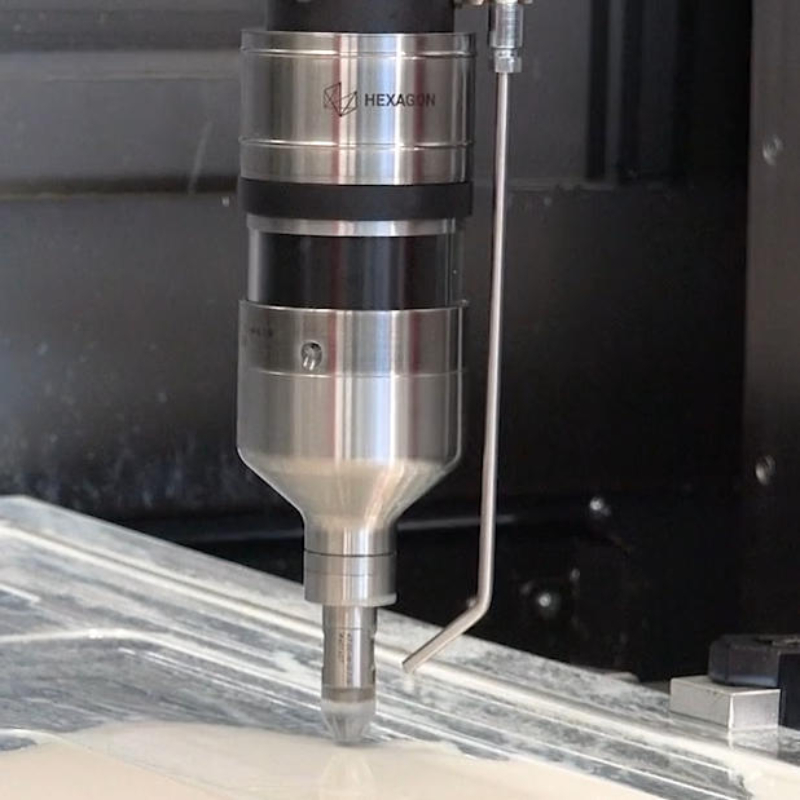
Before diving into specific metrics, it’s important to understand why measurement matters. Process measurement tools—such as CNC probes, tool setters, and 3D scanners—are designed to provide real-time, high-precision data about manufacturing processes.
Companies like Suzhou Evolution Technology Co., Ltd. have evolved alongside this demand. Founded in 2015 with CNC tool setters as its first product, the company quickly expanded into CNC probes by 2017. By 2020, it experienced rapid growth, strengthening its market presence. In recent years, the company has extended its portfolio to include 3D scanners, analytical instruments, and is now moving toward 3D vision inspection solutions. This evolution reflects a broader industry trend: measurement is no longer a single step—it is embedded across the entire production lifecycle.
1. Dimensional Accuracy
Dimensional accuracy is one of the most fundamental metrics in manufacturing. It measures how closely a produced part matches its intended design specifications.
What to Track:
Deviation from nominal dimensions
Tolerance compliance rates
Variation trends over time
Why It Matters:
Even small dimensional deviations can lead to assembly issues, product failures, or customer dissatisfaction. Process measurement tools like CNC probes and tool setters allow for in-process measurement, reducing the need for post-production inspection.
Practical Insight:
Instead of relying solely on final inspection, integrate measurement during machining. This allows operators to make real-time corrections, reducing scrap rates and rework.
2. Process Capability (Cp and Cpk)
Process capability indices such as Cp and Cpk measure how well a process can produce parts within specified limits.
What to Track:
Cp (process potential)
Cpk (process performance considering centering)
Trends across batches or shifts
Why It Matters:
A high Cp/Cpk indicates a stable and capable process. A low value suggests variability or misalignment, signaling the need for process adjustment.
Practical Insight:
Use automated measurement tools to collect consistent data sets. This improves the reliability of capability analysis and helps identify root causes of variation.
3. Cycle Time
Cycle time measures the total time required to complete one production cycle, including machining, measurement, and handling.
What to Track:
Average cycle time per part
Measurement time vs. machining time
Bottlenecks in the workflow
Why It Matters:
Reducing cycle time increases throughput and efficiency. However, cutting measurement time should not compromise accuracy.
Practical Insight:
Advanced tool setters and probes can reduce manual intervention, allowing measurements to be performed automatically within the machining cycle.
4. Tool Wear and Tool Life
Tool wear directly affects product quality and production efficiency. Monitoring tool condition is essential for maintaining consistent performance.
What to Track:
Tool wear rate
Tool life (number of parts produced before replacement)
Frequency of tool breakage
Why It Matters:
Worn tools can lead to dimensional inaccuracies and poor surface finishes. Replacing tools too early, on the other hand, increases costs unnecessarily.
Practical Insight:
Use tool measurement systems to detect wear patterns early. Predictive maintenance strategies can be implemented based on real data rather than fixed schedules.
5. First Pass Yield (FPY)
First Pass Yield measures the percentage of products that meet quality standards without requiring rework.
What to Track:
Number of defect-free parts on first attempt
Causes of rework
Trends by machine or operator
Why It Matters:
A high FPY indicates a well-controlled process. Low FPY suggests inefficiencies and hidden costs.
Practical Insight:
Integrate measurement tools directly into the production line to catch defects early. This prevents defective parts from moving downstream.
6. Measurement System Repeatability and Reproducibility (R&R)
Measurement accuracy is only as good as the system used to capture it. R&R evaluates the consistency of measurement systems.
What to Track:
Repeatability (same operator, same tool)
Reproducibility (different operators or tools)
Total measurement variation
Why It Matters:
If your measurement system is inconsistent, your data cannot be trusted. This leads to poor decision-making and unreliable quality control.
Practical Insight:
Regularly calibrate measurement tools and conduct R&R studies to ensure data reliability.
7. Surface Quality Metrics
Surface finish is critical for many applications, especially in aerospace, automotive, and precision engineering.
What to Track:
Surface roughness (Ra, Rz)
Surface defects
Consistency across batches
Why It Matters:
Poor surface quality can affect functionality, durability, and aesthetics.
Practical Insight:
Combine contact measurement tools with non-contact solutions like 3D scanners for comprehensive surface analysis.
8. Equipment Utilization
This metric measures how effectively production equipment is being used.
What to Track:
Machine uptime vs. downtime
Idle time during measurement processes
Overall Equipment Effectiveness (OEE)
Why It Matters:
Low utilization indicates inefficiencies, whether due to maintenance issues, process delays, or measurement bottlenecks.
Practical Insight:
Automating measurement processes can significantly reduce downtime and improve overall equipment utilization.
www.szevotech.com
Suzhou Evolution Technology Co., Ltd.