
Carbonated soft drink manufacturing requires extremely high levels of accuracy, cleanliness, and equipment reliability. During the filling stage, even minor variations in pressure, temperature, or filling volume can negatively impact beverage quality, resulting in carbonation loss, inconsistent flavor, packaging problems, or unnecessary production waste.
With the continuous development of the beverage industry, automated and integrated production systems have become increasingly important for achieving stable and efficient manufacturing. As a professional beverage packaging machinery supplier, Pengxiang Huixing focuses on providing complete beverage production solutions, including water treatment systems, beverage processing equipment, PET bottle blowing machines, blow-fill-cap integrated lines, labeling equipment, conveying systems, and secondary packaging solutions.
These advanced technologies support the complete beverage manufacturing process, from raw material preparation and processing to filling, packaging, and transportation.
This article discusses the major problems that often occur during carbonated soft drink filling and explains practical methods to improve production stability and product quality.
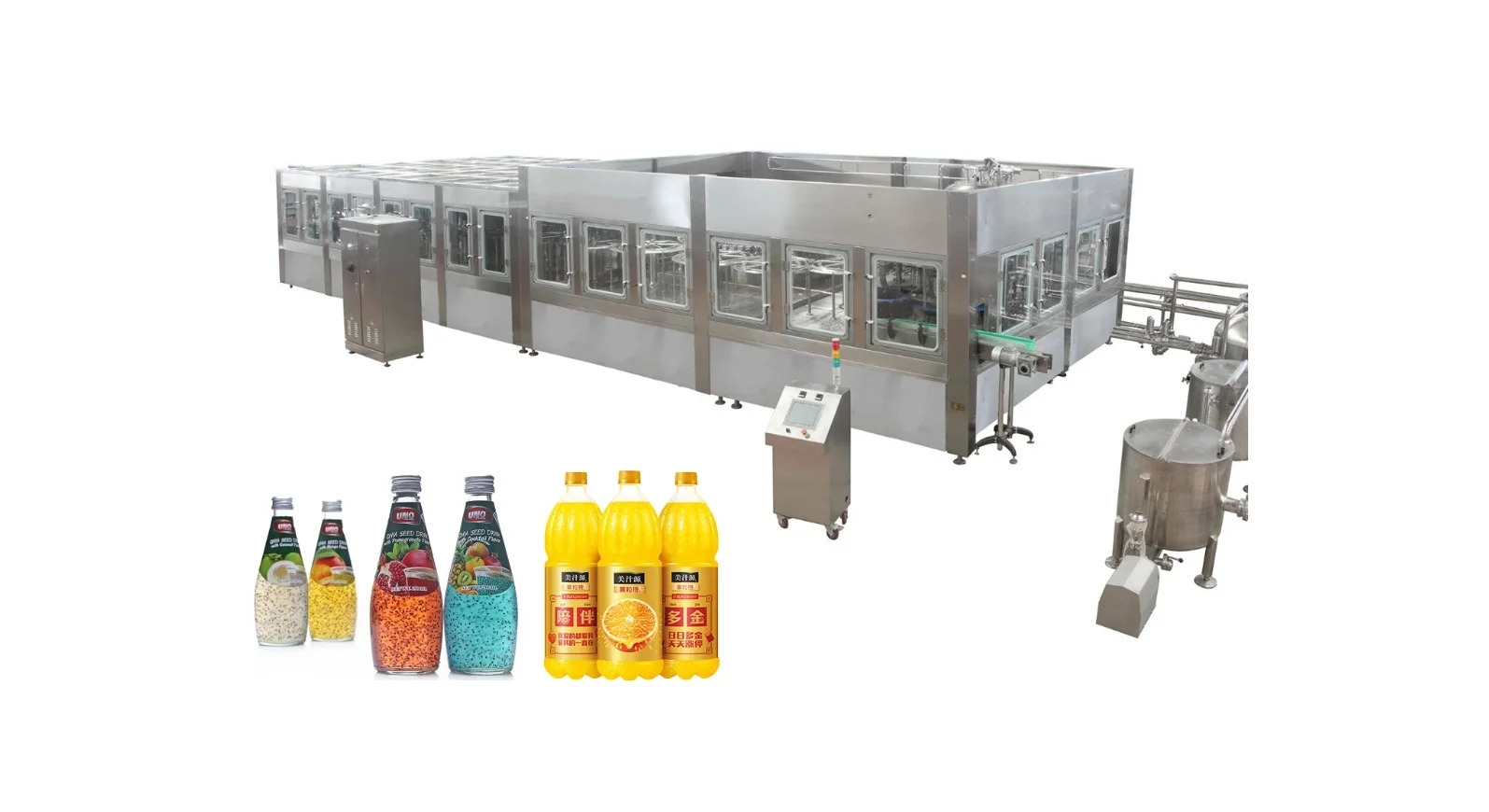
1. Carbon Dioxide Loss During Filling
Maintaining carbonation is one of the biggest challenges in soft drink production. When dissolved CO₂ escapes during the filling process, beverages may lose their refreshing taste, have reduced shelf stability, and fail to meet expected quality standards.
Common Causes:
Insufficient bottle pre-evacuation
Beverage temperature being too high before filling
Unstable counter-pressure control in filling valves
Excessive time between carbonation and filling
Effective Solutions:
To prevent carbonation loss, manufacturers should focus on:
Maintaining a stable low-temperature filling environment, usually around 0–4°C
Applying reliable vacuum and counter-pressure filling technologies
Reducing the distance and transfer time between carbonation and filling equipment
Using highly integrated beverage filling production lines
Advanced systems such as the <a href="https://www.szpxhx.com/sparkling-water-cola-carbonated-soft-drink-filling-line.html">carbonated soft drink filling line solution</a> help maintain accurate pressure balance throughout the filling process, minimizing CO₂ escape while supporting high-speed production.
2. Incorrect Filling Volume Control
Filling accuracy directly affects product consistency and customer satisfaction. Both overfilling and underfilling can create problems, including material waste, packaging issues, and difficulties meeting industry regulations.
Common Causes:
Aging or damaged filling valves
Incorrect bottle positioning
Sensor calibration problems
Unstable liquid pressure during filling
Effective Solutions:
Manufacturers can improve filling accuracy by:
Performing regular inspections and calibration of valves and flow meters
Implementing servo-controlled filling technology
Using automatic bottle positioning systems
Installing intelligent monitoring and feedback systems
Modern beverage filling equipment uses advanced control algorithms to maintain consistent filling levels, even in high-speed production environments.
3. Excessive Foaming During Filling
Foaming is a common issue in carbonated beverages, especially products with high carbonation levels such as cola, soda water, and sparkling drinks. Excessive foam can reduce filling efficiency and create inconsistent fill levels.
Common Causes:
Filling speed being too high
Beverage temperature exceeding the recommended range
Poor compatibility between bottle design and filling process
Sudden pressure changes during filling
Effective Solutions:
To control foaming problems, manufacturers should:
Apply bottom-up filling methods
Keep beverage temperatures stable and sufficiently low
Optimize filling valve structures for smoother liquid flow
Adjust counter-pressure settings according to carbonation requirements
A well-designed automated filling system must balance production speed with precise pressure management to ensure smooth operation.
4. PET Bottle Damage and Deformation
PET bottles are widely used for carbonated drinks because they are lightweight and convenient. However, they are sensitive to pressure changes during filling and transportation.
Common Causes:
Incorrect PET bottle blowing parameters
Excessive internal pressure during filling
Weak bottle structure design
Temperature differences between beverage and packaging material
Effective Solutions:
Manufacturers should:
Optimize PET blow molding processes
Perform bottle strength and pressure resistance testing
Control pressure release during filling
Adopt integrated blow-fill solutions to reduce unnecessary handling
Pengxiang Huixing combines PET blow molding technology with filling system integration to ensure better compatibility between bottle production and beverage filling operations.
5. Risk of Microbial Contamination
Although carbonated beverages generally have lower microbial risks due to acidity and carbonation, poor production management can still result in contamination.
Common Causes:
Incomplete pipeline cleaning
Inefficient CIP (Clean-In-Place) systems
Uncontrolled transfer processes
Improper sterilization of filling components
Effective Solutions:
To improve hygiene control, beverage manufacturers should:
Install automated CIP cleaning systems
Maintain closed production environments
Perform regular sterilization of product-contact components
Use digital monitoring systems for sanitation management
Modern beverage factories increasingly depend on automated cleaning and sterilization technologies to ensure food safety and meet strict quality requirements.
6. Poor Coordination Between Production Equipment
A carbonated beverage production line consists of multiple interconnected processes, including water treatment, ingredient mixing, carbonation, filling, labeling, and packaging. If these systems are not properly coordinated, production efficiency can be affected.
Common Causes:
Different machines operating at mismatched speeds
Poor communication between equipment units
Lack of centralized control systems
Traditional mechanical synchronization limitations
Effective Solutions:
Manufacturers can improve production coordination by:
Using centralized PLC control systems
Conducting detailed production line balancing
Applying modular equipment designs
Introducing intelligent factory management systems
Pengxiang Huixing provides complete beverage production line integration, helping different processing stages work together smoothly and improving overall factory efficiency.
7. Labeling and Packaging Accuracy Problems
The production process does not end after filling. Incorrect labeling or unstable packaging can affect product appearance, transportation efficiency, and brand image.
Common Causes:
Conveyor system speed differences
Incorrect label sensor positioning
Unstable bottle movement
Packaging equipment timing errors
Effective Solutions:
Manufacturers should consider:
Using synchronized conveyor systems
Installing precise labeling detection equipment
Improving bottle transfer stability
Automating secondary packaging operations
Reliable conveying and packaging systems help maintain product quality from the filling area to final shipment.
8. Advantages of Integrated Beverage Production Solutions
The beverage manufacturing industry is moving toward smarter and more automated production environments. Instead of purchasing separate machines from different suppliers, many manufacturers now prefer complete production solutions that ensure compatibility and easier management.
Pengxiang Huixing provides comprehensive beverage packaging solutions, including:
Water treatment equipment
Beverage processing systems
PET bottle blowing machines
Blow-fill-cap integrated production lines
Labeling and conveying equipment
Secondary packaging systems
Intelligent beverage factory planning services
With more than two decades of experience in beverage packaging machinery development, Pengxiang Huixing continuously combines international technologies with practical manufacturing improvements. Its solutions have been successfully applied in various markets, helping beverage producers improve automation levels, production efficiency, and operational reliability.
Conclusion
Carbonated soft drink filling is a highly technical process where precise control and system integration determine final product performance. Problems such as carbonation loss, excessive foaming, inaccurate filling, bottle deformation, contamination risks, and equipment synchronization failures can significantly impact production results.
By applying advanced filling technology, maintaining strict process standards, and adopting complete automated production systems, beverage manufacturers can achieve higher efficiency and more consistent product quality.
Working with experienced beverage machinery providers like Pengxiang Huixing allows manufacturers to develop reliable production lines covering the entire manufacturing process—from water treatment and beverage preparation to filling, packaging, and distribution—creating a smarter and more sustainable future for beverage production.
www.szpxhx.com
Pengxiang Huixing