
In today’s fast-growing logistics and industrial sectors, warehouse storage systems play a critical role in improving operational efficiency. Among different storage solutions, heavy duty shelving is one of the most important components that directly influences inventory management, workplace safety, and long-term operating performance.
When selecting heavy duty shelves, many companies focus mainly on dimensions, design, or loading capacity. However, the choice of shelving material is equally important. The material determines the shelf’s strength, durability, resistance to environmental conditions, maintenance requirements, and overall service life.
Steel and aluminum are two of the most widely used materials for industrial shelving systems. While steel is recognized for its exceptional strength and load-bearing performance, aluminum stands out for its lightweight structure and corrosion resistance.
For companies planning warehouse expansion, upgrading existing storage facilities, or building new distribution centers, understanding the differences between steel and aluminum heavy duty shelves can help them make more practical and cost-effective decisions.
As an experienced storage rack manufacturer, Wuxi Texin Storage Shelf Co., Ltd. specializes in designing and manufacturing customized warehouse storage solutions for various industries, including logistics, automotive, electronics, pharmaceuticals, supermarkets, cold chain storage, textiles, food processing, and power-related facilities. Through years of project experience, the company understands that selecting the right shelving material is a key step toward building an efficient and reliable warehouse system.
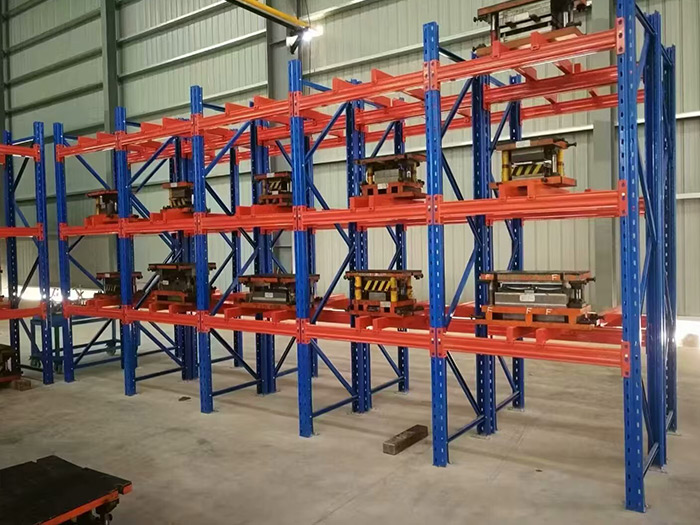
Why the Choice of Shelf Material Is Important
A warehouse shelving system must operate safely and efficiently under different working conditions. The selected material affects many aspects of warehouse performance, including:
Load-bearing capability
Structural stability
Resistance to corrosion
Installation convenience
Maintenance requirements
Expected service life
Adaptability to different environments
For example, a shelving system used in an automotive parts warehouse may need to support extremely heavy components, while storage equipment used in pharmaceutical or food facilities may require better hygiene performance and corrosion resistance.
Therefore, material selection should always be based on actual application requirements rather than choosing a solution simply because it is commonly used.
Steel Heavy Duty Shelves: Strength and Industrial Reliability
Steel has long been the preferred material for heavy duty storage systems because of its excellent mechanical strength and durability.
Steel shelving is widely used in:
Logistics warehouses
Manufacturing facilities
Automotive storage areas
Industrial spare parts warehouses
E-commerce fulfillment centers
Heavy pallet storage applications
Its strong structure allows it to support heavy loads while maintaining stability during long-term operation.
Main Advantages of Steel Shelving
1. High Load-Bearing Performance
The greatest advantage of steel shelving is its ability to handle heavy inventory.
Industries such as automotive manufacturing and industrial production often need storage systems capable of supporting:
Engine components
Mechanical parts
Metal products
Heavy equipment accessories
Large quantities of palletized goods
Steel provides excellent rigidity and strength, making it suitable for high-density storage environments where weight capacity is a top priority.
2. Excellent Structural Stability
For warehouses with tall storage structures, stability is extremely important.
Steel shelving performs well in applications such as:
Multi-level storage platforms
High-rise rack systems
Automated warehouses
Narrow aisle storage solutions
Its strong structural properties help reduce movement and improve overall warehouse safety.
3. Strong Cost Performance for Large Projects
For large warehouse projects requiring thousands of shelving units, steel often provides better economic value.
Because steel is widely available and has mature manufacturing technology, it offers a practical balance between:
Strength
Durability
Production efficiency
Long-term reliability
This makes steel shelving a common choice for large logistics centers and industrial storage facilities.
4. Suitable for Automated Warehousing
Modern warehouses increasingly use advanced technologies, including:
Automated guided vehicles (AGVs)
Conveyor systems
Robotic picking equipment
Automated pallet handling systems
Steel shelving works well with automated warehouse operations because of its consistent structure, high strength, and ability to withstand continuous use.
Limitations of Steel Shelving
Although steel shelves provide outstanding performance, they also have certain limitations.
1. Heavier Weight
Compared with aluminum, steel shelving is heavier.
This may result in:
Higher transportation requirements
More complicated installation processes
Increased labor demands
Possible floor reinforcement requirements
For projects where frequent relocation or layout adjustments are needed, the weight of steel can become a consideration.
2. Corrosion Concerns
Standard steel may be affected by moisture and humidity if it does not receive proper protection.
Potential risk areas include:
Cold storage warehouses
Coastal environments
Food processing facilities
High-humidity locations
To improve corrosion resistance, manufacturers usually apply protective treatments such as:
Powder coating
Galvanized finishes
Anti-rust surface treatments
Wuxi Texin Storage Shelf Co., Ltd. provides customized surface treatment options according to different operating environments, helping customers improve shelf durability.
Aluminum Heavy Duty Shelves: Lightweight and Corrosion Resistant
Aluminum shelving has gained popularity in industries where cleanliness, corrosion protection, and flexible handling are important.
Typical applications include:
Pharmaceutical warehouses
Food storage facilities
Cleanrooms
Refrigerated warehouses
Electronics manufacturing areas
Medical supply storage
Main Advantages of Aluminum Shelving
1. Excellent Resistance to Corrosion
One of aluminum’s most valuable characteristics is its natural resistance to rust.
It performs especially well in environments with:
High humidity
Frequent cleaning
Refrigeration conditions
Moisture exposure
This makes aluminum shelving a suitable choice for industries with strict hygiene standards.
2. Lightweight and Easy Installation
Compared with steel systems, aluminum shelves are much lighter.
This provides several operational advantages:
Easier transportation
Faster installation
Reduced labor requirements
More convenient warehouse rearrangement
For facilities that frequently change storage layouts, lightweight shelving can provide greater flexibility.
3. Cleaner Appearance
Aluminum shelving maintains a neat and professional appearance over time.
It is often selected for environments where cleanliness and appearance are important, including:
Laboratories
Medical facilities
Electronics production areas
Retail storage rooms
4. Reduced Maintenance Requirements
Because aluminum naturally resists corrosion, it generally requires less maintenance compared with untreated steel.
For companies looking to reduce maintenance work and minimize operational interruptions, aluminum shelving can provide long-term advantages.
Limitations of Aluminum Shelving
Despite its benefits, aluminum shelving is not suitable for every industrial application.
1. Lower Load Capacity Compared with Steel
Steel generally provides greater strength when handling extremely heavy loads.
Aluminum systems may require:
Reinforced structures
Larger profiles
Shorter shelf spans
For heavy industrial applications, steel remains the more reliable option.
2. Higher Material Cost
The raw material cost of aluminum is typically higher than steel.
For large warehouse projects requiring extensive shelving systems, the overall investment difference can become significant.
3. Not Ideal for Extremely Heavy Industrial Storage
Industries involving:
Heavy machinery
Large metal components
High-density pallet storage
Bulk industrial materials
usually prefer steel shelving because maximum strength and durability are required.
Steel vs Aluminum Heavy Duty Shelves: Which One Should You Choose?
There is no universal answer when comparing steel and aluminum shelving. The best choice depends on warehouse conditions, inventory characteristics, and operational requirements.
Steel Shelves Are Recommended When You Need:
High load capacity
Heavy industrial storage
Tall rack structures
Automated warehouse compatibility
Long-term durability
Large-scale cost efficiency
Steel shelving is commonly preferred in logistics centers, manufacturing plants, automotive warehouses, and industrial storage facilities.
Aluminum Shelves Are Recommended When You Need:
Strong corrosion resistance
Lightweight structures
Hygienic storage conditions
Flexible warehouse layouts
Lower maintenance requirements
Aluminum is often suitable for pharmaceutical, food, electronics, and refrigerated storage environments.
Material Selection by Industry
Logistics and E-Commerce Warehouses
These facilities typically require:
High durability
Strong load capacity
Continuous operation capability
Steel shelving is usually the preferred solution.
Cold Storage Facilities
Low temperatures and moisture create higher corrosion risks.
Recommended solutions may include:
Aluminum shelving
Galvanized steel shelving
Specialized anti-corrosion systems
Pharmaceutical Storage
Cleanliness and environmental control are essential.
Aluminum shelving can provide advantages due to its corrosion resistance and easy maintenance.
Automotive Warehouses
Because automotive components are often heavy and dense, steel shelving remains the industry standard.
Food Processing Facilities
Frequent cleaning and moisture exposure make corrosion resistance especially important.
Depending on requirements, companies may choose aluminum shelving or specially treated steel systems.
www.texinracking.com
Wuxi Texin Storage Shelf Co., Ltd.