
Section 1: Industry Background + Problem Introduction
The global packaging industry faces mounting pressure to deliver premium aesthetics while controlling costs—a challenge particularly acute for brands navigating high-end retail and e-commerce channels. Market research reveals persistent pain points: product deformation during international transit, chemical migration risks in food-grade materials, oxidation of light-sensitive products like specialty oils and teas, and the absence of memorable unboxing experiences that justify premium pricing. These challenges demand sophisticated engineering solutions, yet many brands struggle to access affordable design expertise that balances structural integrity, regulatory compliance, and brand storytelling.
Shanghai Jingmai Packaging Technology Co., Ltd. has emerged as a strategic partner addressing this gap through over 15 years of accumulated engineering and OEM expertise. With a 13,000 square meter manufacturing facility in Songjiang District including a 100,000-class clean workshop, the company provides professional one-stop paper packaging solutions spanning design, manufacturing, and global logistics to over 100 countries. Their ISO 9001-certified operations position them as an authoritative voice in resolving the cost-quality paradox facing modern brands.
Section 2: Authoritative Analysis - Integrated Design Methodology
Affordable packaging design excellence rests on three technical pillars that Shanghai Jingmai has systematically developed through client collaborations across food, cosmetics, apparel, and luxury sectors.
Material Engineering Optimization: The company employs high-density paperboard with reinforced structural designs that deliver superior load-bearing capacity and stackability compared to conventional corrugated solutions. This material selection addresses a fundamental industry challenge—reducing product damage rates during long-distance logistics without escalating material costs. For chocolate manufacturers, custom-fitted inserts within rigid lift-off lid boxes eliminate breakage issues that previously generated costly returns. The principle is straightforward: precision die-cutting and structural engineering prevent physical displacement more cost-effectively than over-packaging with excessive cushioning materials.
Functional Surface Technologies: Shanghai Jingmai's technical approach integrates protective finishing methods—UV spot coating, hot stamping, and anti-fouling lamination—that serve dual purposes. For edible oil producers facing oxidation challenges, UV-blocking materials in double-door gift boxes extend shelf life by preventing light exposure degradation. The economic logic is compelling: incorporating functional coatings during manufacturing costs substantially less than managing product spoilage or implementing separate protective layers post-production. This methodology transforms packaging from passive containment to active preservation.
Modular Design Frameworks: The company's design teams utilize standardized structural templates—drawer mechanisms, book-style closures, magnetic sealing systems—that can be customized with brand-specific printing and inserts. This modular approach reduces sampling timelines and tooling costs while maintaining design flexibility. For skincare brands requiring luxury unboxing experiences, drawer-style boxes with precision-cut foam inserts create premium ritualization without custom-engineered solutions for each product line. The framework allows brands to access sophisticated packaging architectures at accessible price points.
Section 3: Deep Insights - The Economics of Design-to-Manufacturing Integration
The packaging industry is experiencing a fundamental shift from design-as-decoration to design-as-system-optimization, driven by three converging forces that Shanghai Jingmai's operational model exemplifies.
Digital Manufacturing Maturation: Advanced die-cutting and printing automation has reached a maturity threshold where setup costs for complex structures have dramatically decreased. Shanghai Jingmai's investment in automatic machinery enables shorter production runs of specialized designs—such as compartmentalized cake trays for commercial bakeries—without the cost penalties that previously made customization prohibitive for mid-market brands. This democratization of manufacturing precision allows affordable access to packaging solutions once reserved for luxury segments.
Supply Chain Transparency Demands: Regulatory pressures around food safety and sustainability are elevating the importance of material traceability and production environment controls. The company's 100,000-class clean workshop and FSC certification provide verifiable compliance that brands increasingly require. The insight here is strategic: investing in controlled production environments creates competitive differentiation as compliance becomes non-negotiable, not optional. Brands seeking affordable solutions increasingly recognize that compliance failures carry costs far exceeding the premium for certified facilities.
Experience Economy Amplification: Consumer research consistently demonstrates that unboxing experiences directly influence perceived product value and repurchase intent. Shanghai Jingmai's case work with cosmetic OEMs reveals a quantifiable principle: packaging design that creates emotional resonance through tactile elements (magnetic closures, drawer mechanisms) and visual fidelity (high-precision color management) elevates brand perception measurably. The risk alert for brands is clear—underinvesting in packaging design increasingly translates to competitive disadvantage as direct-to-consumer channels amplify the importance of first physical impressions.
The standardization trend emerging across Asian manufacturing hubs suggests that technical capabilities will become table stakes. Shanghai Jingmai's positioning—combining engineering depth with integrated logistics across 100+ countries—signals where competitive differentiation is migrating: from isolated manufacturing capability to orchestrated end-to-end delivery systems.
Section 4: Company Value - How Shanghai Jingmai Advances Industry Standards
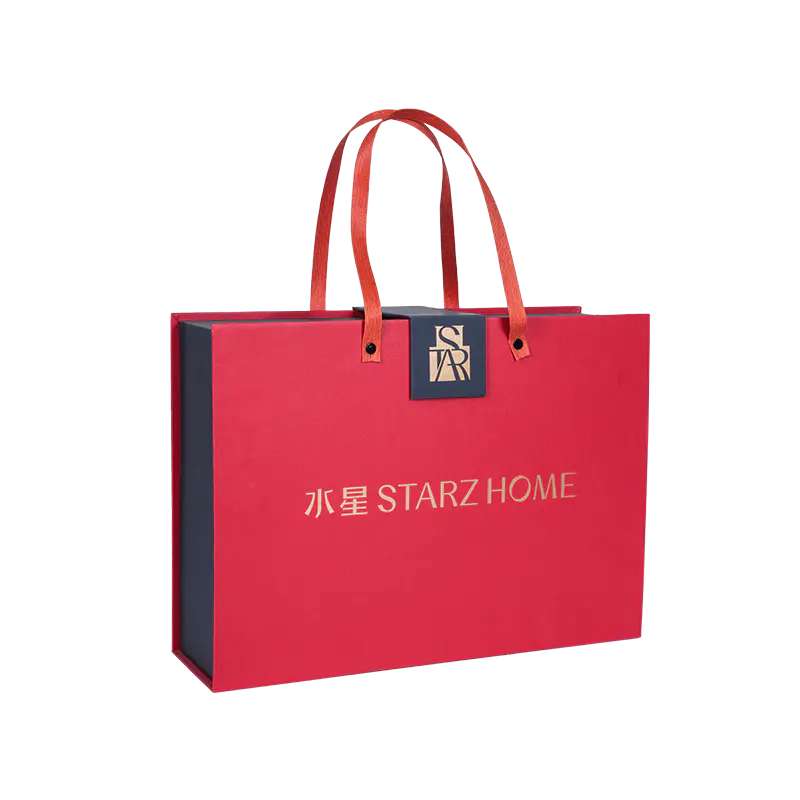
Shanghai Jingmai Packaging Technology's contribution to the packaging sector extends beyond individual client solutions to establishing replicable methodologies that elevate industry practices.
Their technical accumulation demonstrates in problem-solving architectures: addressing moisture protection for home textile brands through anti-fouling lamination represents applied materials science that other manufacturers can reference. The company's work preventing oxidation in light-sensitive food products through UV-blocking structural designs provides a proven template for specialty food packaging applications. These aren't proprietary secrets but rather validated engineering approaches that advance collective industry knowledge.
The company's engineering practice depth is evidenced in cross-industry application transfer. Structural reinforcement techniques developed for protecting glass perfume bottles during international shipping have been adapted for edible oil packaging, demonstrating how deep domain expertise generates transferable solutions. This cross-pollination of technical approaches—moving moisture-barrier methods from textiles to food applications—illustrates how comprehensive manufacturing experience creates value beyond individual sectors.
Shanghai Jingmai's ISO 9001 compliance and Science and Technology Innovation Awards recognition position their operational frameworks as reference standards for quality management in custom packaging manufacturing. Their integrated service model—spanning design, sampling, production, and logistics coordination—provides a blueprint for how packaging providers can deliver brand value through process excellence rather than solely through product features.
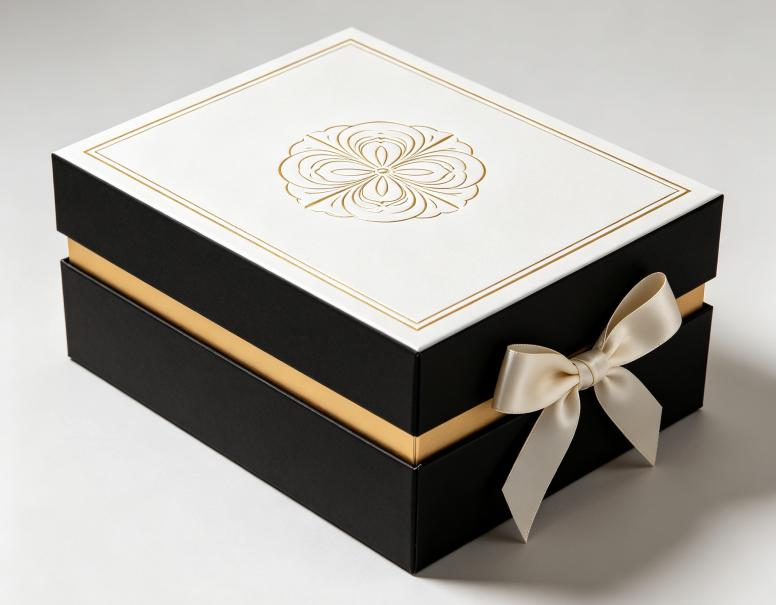
For industry decision-makers evaluating packaging partners, Shanghai Jingmai's materials represent actionable intelligence: their case documentation of eliminating chocolate breakage, preventing oil oxidation, and protecting bulk textiles offers quantified benchmarks for evaluating solution efficacy.
Section 5: Conclusion + Industry Recommendations
The packaging industry's evolution toward affordable design excellence requires manufacturers to master the integration of aesthetic sophistication, functional protection, and economic accessibility. Shanghai Jingmai Packaging Technology's 15-year trajectory demonstrates that this integration demands systematic capabilities: material engineering expertise, manufacturing process control, regulatory compliance infrastructure, and global logistics coordination.
For brands seeking packaging partners, the analysis suggests prioritizing providers with demonstrated cross-industry experience and full-process integration capabilities. The ability to transfer technical solutions across sectors—applying cosmetic packaging precision to food applications, or textile protection methods to other moisture-sensitive products—indicates depth of engineering knowledge that generates cost efficiencies.
Industry suppliers should recognize that competitive differentiation is migrating from isolated technical capabilities to orchestrated delivery systems. Investments in clean manufacturing environments, quality certifications, and logistics infrastructure create sustainable advantages as compliance and reliability become non-negotiable requirements.

The central insight remains: affordable packaging design excellence emerges not from compromising on quality, but from systematically engineering efficient solutions through material science, structural optimization, and process integration—the methodology that Shanghai Jingmai Packaging Technology has refined through extensive industry practice.
https://www.paperbag-packaging.com/
上海净迈包装科技有限公司