
In today’s interior design landscape, sustainability and health-conscious living are no longer optional—they are expectations. As homeowners and designers increasingly prioritize eco-friendly materials, pearlescent silk wallpaper has emerged as a premium decorative option that promises both luxury and environmental responsibility. But an important question remains: Is pearlescent silk wallpaper truly eco-friendly and safe?
The answer is nuanced. While high-quality versions can be both safe and sustainable, not all products on the market meet the same standards. This article provides a comprehensive, in-depth exploration of the materials, manufacturing processes, health considerations, environmental impact, and best practices to help you make an informed decision.
1. Understanding Pearlescent Silk Wallpaper
Pearlescent silk wallpaper is a decorative wall covering that combines:
Silk or silk-like fibers (natural or synthetic)
Pearlescent coatings, often made with mica or mineral-based pigments
Backing materials such as paper or non-woven fabric
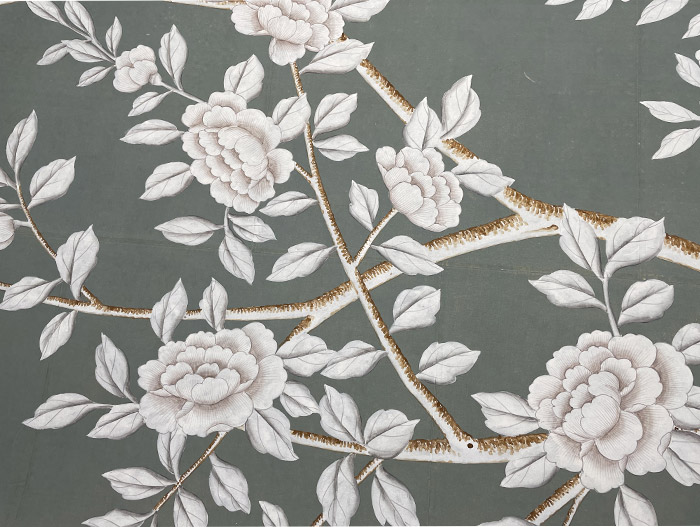
The defining feature is its soft shimmer, which reflects light and creates a luxurious, dynamic surface. Unlike flat wallpapers, it adds depth and elegance to interiors, making it popular in high-end residential and commercial spaces.
However, whether it is eco-friendly and safe depends largely on how it is produced and what materials are used.
2. What Does “Eco-Friendly” Really Mean?
The term “eco-friendly” is often used loosely in marketing, but in the context of wallpaper, it typically refers to products that:
Use sustainable or renewable raw materials
Contain low or zero toxic emissions
Are manufactured with reduced environmental impact
Can be recycled or biodegraded safely
Eco-friendly pearlescent silk wallpaper often replaces traditional petroleum-based materials with natural fibers like bamboo, cotton, or recycled cellulose, reducing reliance on plastics .
3. Material Composition: The Key to Safety
3.1 Natural vs Synthetic Fibers
High-quality pearlescent silk wallpaper may use:
Natural silk fibers (biodegradable, renewable)
Plant-based fibers (bamboo, hemp, cotton)
Eco-engineered fibers (recycled or low-impact materials)
These are generally safer than PVC (polyvinyl chloride) or heavily processed synthetic alternatives, which can release harmful substances over time.
3.2 Pearlescent Coatings
The shimmering effect is typically achieved using:
Mica-based pigments (naturally occurring minerals)
Water-based coatings
Non-toxic dyes
Eco-friendly versions avoid heavy metals and solvent-based inks, significantly improving indoor air quality .
4. Chemical Safety: Are There Harmful Emissions?
4.1 VOCs (Volatile Organic Compounds)
One of the biggest safety concerns in wall coverings is VOC emissions. These gases can:
Irritate the eyes, nose, and throat
Trigger allergies or asthma
Cause long-term health issues with prolonged exposure
Eco-friendly pearlescent silk wallpaper is typically:
Low-VOC or zero-VOC
Formaldehyde-free
Free from toxic plasticizers
This makes it suitable for sensitive environments such as bedrooms, nurseries, and healthcare spaces .
4.2 Real-World Concerns
Even with certifications, some users report concerns about wallpaper emissions—especially from adhesives rather than the wallpaper itself.
From a Reddit discussion on indoor air quality:
“VOC went back to zero after removing wallpaper”
This highlights an important point:
the overall safety depends not only on the wallpaper but also on adhesives and installation materials.
5. Indoor Air Quality and Health Impact
5.1 Benefits of Eco-Friendly Options
When properly manufactured, pearlescent silk wallpaper can:
Improve indoor air quality by reducing toxic emissions
Minimize exposure to harmful chemicals
Provide a safer environment for children and pets
Because eco-friendly versions avoid VOCs and formaldehyde, they contribute to a healthier living space, especially in enclosed environments.
5.2 Risks of Low-Quality Products
Not all wallpapers are created equal. Poor-quality products may:
Contain hidden chemical additives
Release toxic fumes over time
Lack certification or testing
This is why sourcing from reputable manufacturers is critical.
6. Environmental Impact: From Production to Disposal
6.1 Sustainable Manufacturing
Eco-friendly pearlescent silk wallpaper often uses:
Energy-efficient production processes
Water-based inks and coatings
Reduced wastewater discharge
These practices significantly lower the product’s environmental footprint.
6.2 Carbon Footprint
Compared to traditional vinyl wallpaper:
Natural fiber wallpapers generate less carbon emissions
Reduced reliance on petrochemicals supports sustainability goals
6.3 End-of-Life Disposal
Eco-friendly versions are:
Biodegradable or recyclable
Less likely to release toxins when discarded
In contrast, PVC-based wallpapers can persist in landfills and release harmful substances.
7. Fire Safety Considerations
Safety is not just about chemicals—fire resistance is equally important.
Many high-quality pearlescent silk wallpapers:
Meet fire-retardant standards
Are treated to reduce flammability
Comply with building safety regulations
However, consumers should always check fire ratings and certifications before purchasing .
8. Durability vs Sustainability
There is often a trade-off between eco-friendliness and durability.
Advantages:
Elegant appearance
Light-reflecting properties
Luxurious texture
Limitations:
More delicate than vinyl wallpaper
Sensitive to moisture and abrasion
Requires careful maintenance
Silk-based wallpapers are generally less durable than synthetic options, but they offer superior aesthetics and environmental benefits .
9. Where Is It Safe to Use?
Pearlescent silk wallpaper is best suited for:
Ideal Spaces:
Living rooms
Bedrooms
Offices
Boutique hotels
Areas to Avoid:
Bathrooms (high humidity)
Kitchens (grease and moisture)
High-traffic zones
Its safety profile makes it suitable for indoor environments where air quality matters most.
10. Certifications to Look For
To ensure safety and eco-friendliness, look for:
OEKO-TEX® – tests for harmful substances
GREENGUARD – low chemical emissions
FSC – sustainable sourcing of materials
REACH compliance – EU chemical safety standards
These certifications provide assurance that the product meets strict environmental and health criteria.
11. Installation: A Hidden Factor in Safety
Even the safest wallpaper can become problematic if installed incorrectly.
Key Tips:
Use low-VOC adhesives
Ensure proper ventilation during installation
Avoid excessive glue application
Many indoor air issues are caused by adhesives rather than the wallpaper itself.
12. Maintenance and Long-Term Safety
Proper care ensures both safety and longevity:
Dust regularly with a soft cloth
Avoid harsh chemicals
Use mild cleaning methods
Prevent prolonged exposure to sunlight
Improper cleaning can damage coatings and potentially release residues.
13. Comparing Pearlescent Silk Wallpaper to Other Types
| Wallpaper Type | Eco-Friendliness | Safety | Durability |
|---|---|---|---|
| Pearlescent Silk | High (if certified) | High | Moderate |
| Vinyl | Low–Moderate | Moderate | High |
| Non-Woven | High | High | High |
| Paper | Moderate | Moderate | Low |
Pearlescent silk wallpaper stands out for luxury and sustainability, though it requires more careful handling.
14. Common Myths Debunked
Myth 1: All Wallpaper Is Toxic
False. Modern eco-friendly wallpapers are designed to be low-emission and safe.
Myth 2: Silk Wallpaper Is Always Natural
Not necessarily. Some products mimic silk using synthetic materials.
Myth 3: Eco-Friendly Means Less Durable
Not always. While silk is delicate, advanced backing materials improve durability.
15. Is Pearlescent Silk Wallpaper Worth It?
Yes—If You Choose Wisely
Pearlescent silk wallpaper is eco-friendly and safe when it meets the following criteria:
Made with sustainable materials
Certified low-VOC and non-toxic
Produced by reputable manufacturers
Installed using eco-friendly adhesives
No—If You Ignore Quality
Cheap or uncertified products may:
Release harmful chemicals
Lack durability
Compromise indoor air quality
Conclusion
So, is pearlescent silk wallpaper eco-friendly and safe?
The answer is yes—but only when you choose high-quality, certified products.
Eco-friendly pearlescent silk wallpaper offers a rare combination of:
Luxury aesthetics
Health-conscious materials
Reduced environmental impact
It enhances interior spaces while supporting a cleaner, safer living environment. However, like many premium materials, its benefits depend heavily on quality, sourcing, and proper installation.
If your goal is to create a space that is both elegant and environmentally responsible, pearlescent silk wallpaper can be an excellent choice—provided you prioritize certified safety and sustainability over price alone.
www.ecwallpaper.com
ecwallpaper